.png)
-p-130x130q80.png)

Los servicios de 3PL incluyen almacenamiento, cumplimiento de pedidos, gestión de inventario, gestión de transporte y logística inversa.
Los proveedores de logística externos ofrecen una amplia gama de servicios diseñados para ayudar a las empresas a gestionar las cadenas de suministro de manera eficiente. En lugar de operar la infraestructura logística internamente, las empresas pueden confiar en los proveedores de 3PL para gestionar las operaciones de almacenamiento, envío y distribución.
Entender el diferentes tipos de servicios 3PL ayuda a las empresas a seleccionar el socio logístico adecuado para sus necesidades operativas.
Para obtener una visión general completa de los modelos de subcontratación logística, lea nuestro guía de logística de terceros.
Los proveedores de logística de terceros (3PL) suelen gestionar una amplia gama de operaciones logísticas, lo que ayuda a las empresas a optimizar su cadena de suministro y centrarse en el crecimiento. Estos proveedores ofrecen experiencia, tecnología y recursos que muchas empresas tal vez no tengan internamente.
Los servicios clave proporcionados por las empresas de 3PL incluyen:
Cada una de estas funciones desempeña un papel fundamental en las diferentes etapas de la cadena de suministro, ya que garantiza que los productos se transfieran de manera eficiente del fabricante al cliente y, al mismo tiempo, mantienen la calidad, la precisión y la rentabilidad.
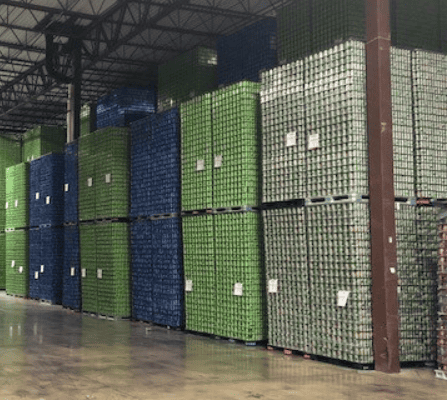
El almacenamiento es la base de la mayoría de las operaciones de 3PL y desempeña un papel fundamental para mantener la cadena de suministro organizada y con capacidad de respuesta. Cuando se asocia con un proveedor de 3PL, sus productos se almacenan de forma segura en instalaciones gestionadas por profesionales que se encuentran estratégicamente ubicadas cerca de los principales centros de transporte y mercados clave, lo que ayuda a reducir los tiempos de tránsito y a mejorar la velocidad de entrega a sus clientes.
Para su empresa, esto significa una mejor visibilidad del inventario, una mejor preparación de los pedidos y la flexibilidad de escalar sus necesidades de almacenamiento a medida que crece la demanda. En lugar de preocuparse por la capacidad de almacenamiento o la complejidad operativa, puede centrarse en hacer crecer su negocio mientras el 3PL gestiona las operaciones diarias del almacén de manera eficiente.
Los servicios de almacén típicos incluyen:
Si desea profundizar en el funcionamiento de estas operaciones, puede más información sobre el almacenamiento 3PL.
Los servicios de logística se centran en procesar los pedidos de los clientes y garantizar que se trasladen de forma rápida y precisa del almacén a sus clientes. Estos servicios son especialmente importantes para empresas de comercio electrónico que gestionan grandes volúmenes de pedidos diarios y necesitan un sistema fiable para que las operaciones funcionen sin problemas.
El flujo de trabajo de gestión logística típico incluye:
Servicios de transporte asegúrese de que sus productos se muevan de manera eficiente entre proveedores, almacenes, minoristas y clientes. Con la estrategia de transporte adecuada, puede reducir los costos de envío y, al mismo tiempo, mantener un rendimiento de entrega confiable y constante.
La gestión del transporte también lo ayuda a coordinar redes logísticas complejas, especialmente cuando los envíos se mueven entre varias regiones o países. Esto garantiza que sus productos lleguen a tiempo a donde deben estar y, al mismo tiempo, mantiene las operaciones de transporte organizadas y rentables.
Estos servicios pueden incluir:
La gestión del inventario garantiza un seguimiento preciso de sus niveles de existencias y su mantenimiento en tiempo real. Con una gestión adecuada del inventario, puede evitar la escasez, evitar el exceso de existencias y mantener las operaciones funcionando sin problemas.
La gestión del inventario también lo ayuda a tomar decisiones informadas sobre el repedido, la asignación y la organización del almacén. Esto garantiza que sus productos estén siempre disponibles para satisfacer la demanda y, al mismo tiempo, minimizar los costos de almacenamiento y reducir los residuos.
Estos servicios pueden incluir:
La logística inversa se centra en gestionar los productos devueltos y garantizar que se gestionen de forma eficiente una vez que vuelven a la cadena de suministro. Cuando se gestiona correctamente, la logística inversa ayuda a proteger la satisfacción del cliente al tiempo que minimiza las pérdidas operativas.
Un proceso de devoluciones organizado también permite a tu empresa recuperar el valor de los productos devueltos mediante la reposición de existencias, la restauración o la eliminación responsable. Esto garantiza que el inventario devuelto se procese rápidamente y, al mismo tiempo, se mantengan niveles de stock precisos.
Los procesos comunes de logística inversa incluyen:
Muchos proveedores de logística también ofrecen servicios especializados que mejoran y agilizan las operaciones de la cadena de suministro. Estos servicios de valor agregado le permiten personalizar los flujos de trabajo de logística sin necesidad de ampliar su equipo interno o su infraestructura operativa.
Al integrar estos servicios en su estrategia de logística, puede mejorar la eficiencia operativa y, al mismo tiempo, cumplir con los requisitos específicos de venta minorista, comercio electrónico o distribución. Esta flexibilidad ayuda a su empresa a adaptarse a las diferentes necesidades de productos, estándares de embalaje y expectativas de los clientes.
Entre los ejemplos se incluyen:
Los principales tipos de Servicios 3PL incluyen el almacenamiento, el cumplimiento de pedidos, la gestión del transporte, el seguimiento del inventario y la logística inversa. Estos servicios ayudan a las empresas a gestionar las cadenas de suministro de manera eficiente sin mantener su propia infraestructura logística.
Servicios logísticos 3PL suelen cubrir el procesamiento de pedidos, la recogida y el embalaje, la coordinación de envíos y las actualizaciones de seguimiento en tiempo real. Muchos proveedores también ofrecen servicios de valor agregado, como la preparación de kits, el etiquetado y la gestión de devoluciones.
Almacenamiento 3PL permite a las empresas almacenar el inventario en instalaciones ubicadas estratégicamente administradas por expertos en logística. Esto ayuda a reducir los costos de almacenamiento, mejorar la entrega de los pedidos y mantener niveles de stock precisos.
La gestión del transporte incluye la selección de transportistas, la optimización de las rutas de envío, la gestión de los costos de flete y la garantía de la entrega oportuna. Los proveedores de 3PL utilizan la tecnología y la experiencia en logística para agilizar las operaciones de envío.
Sí, muchos Proveedores de 3PL ofrecen logística omnicanal y envíos de productos a tiendas en línea, mercados y puntos de venta minorista. Esto garantiza una experiencia de entrega uniforme y actualizaciones precisas del inventario en todos los canales de venta.
Sí, muchos proveedores de 3PL ofrecen servicios como la creación de kits, el embalaje personalizado, el etiquetado y las inspecciones de calidad. Estos ayudan a las empresas a mejorar la eficiencia y agilizar las operaciones.
Las empresas deben considerar el volumen de sus pedidos, las necesidades de distribución y la complejidad de la cadena de suministro. El socio de 3PL adecuado adapta los servicios para mejorar la eficiencia y respaldar el crecimiento.

Buske Logistics is a Top 20 Private Warehousing 3PL. Let's build a solution for your supply chain.