.png)
-p-130x130q80.png)

If your business ships products to retailers, distributors, wholesalers, or commercial buyers, your fulfillment strategy can directly impact revenue, customer satisfaction, and long-term growth.
Late shipments, inventory errors, retailer compliance issues, and inefficient warehouse operations can quickly lead to chargebacks, lost accounts, and rising operational costs. That’s why more brands are investing in reliable B2B fulfillment solutions to improve supply chain performance and scale efficiently.
Whether you sell consumer packaged goods (CPG), automotive parts, food and beverage products, retail merchandise, or industrial products, choosing the right fulfillment partner matters more than ever in 2026.
At Buske Logistics, we help major brands like PepsiCo, Diageo, Ford, and Stellantis streamline complex B2B fulfillment operations across the United States.
In this guide, you’ll learn:
B2B fulfillment refers to the process of storing, picking, packing, and shipping products from one business to another business. Unlike B2C fulfillment, where orders are shipped directly to consumers, B2B fulfillment focuses on larger, more complex shipments going to:
These orders often involve pallet shipments and bulk inventory management, along with strict retail compliance requirements. They typically require EDI integration to ensure seamless data exchange, as well as coordinated appointment scheduling and freight handling.
In addition, lot tracking is often necessary for traceability, and strict labeling requirements must be followed to meet retailer and industry standards.
For example, a beverage company PepsiCo shipping pallets to national retailers requires a very different fulfillment strategy than an eCommerce brand shipping individual parcels to consumers. That’s where an experienced B2B 3PL provider becomes critical.
Learn more about Buske’s dedicated solutions for B2B fulfillment and distribution.
The B2B fulfillment process is a coordinated workflow designed to ensure inventory moves efficiently and accurately from the warehouse to your business customers or retail partners. Each step is carefully managed to maintain compliance, reduce errors, and ensure on-time delivery at scale.
Here’s how a typical B2B fulfillment workflow works:
Products arrive at the fulfillment warehouse from manufacturers, suppliers, or ports. The 3PL provider then processes and records the inventory by:
Accurate receiving is critical, as errors at this stage can lead to fulfillment issues later on.
After receiving, inventory is stored and organized based on key factors to ensure efficiency and accuracy, including:
Modern B2B warehouses use advanced Warehouse Management Systems (WMS) to give you better inventory accuracy and real-time visibility. This helps you stay ahead by preventing stockouts, reducing overstocking, improving order accuracy, and making demand forecasting more reliable.
Once a retailer, distributor, or commercial customer places an order, it is processed through integrated systems to ensure speed, accuracy, and compliance. This step often includes:
Fast and accurate order processing helps businesses avoid costly retailer penalties and delayed shipments.
Warehouse teams pick and prepare products based on specific order requirements, ensuring each shipment meets customer and retailer standards. Depending on the order type, this may include:
Accuracy at this stage is essential in B2B fulfillment, as even minor errors can disrupt supply chains and negatively impact retailer relationships.
Once your orders are packed, we coordinate the entire transportation process for you. This can include LTL freight, full truckload shipping, intermodal transportation, dedicated carriers, and final-mile delivery.
We also handle carrier coordination, appointments, documentation, and communication to make sure your shipments are delivered on time and without delays.
We also help manage your returns process to keep things simple and efficient. This includes inspecting returned products, handling reverse logistics, restocking items where possible, and managing recycling, disposal, or recall support when needed.
By streamlining returns, we help you reduce waste and recover as much inventory value as possible.
While B2B and B2C fulfillment both involve getting products from point A to point B, they operate very differently in practice. Many businesses underestimate these differences, assuming the same processes can support both models effectively.
In reality, B2B fulfillment is significantly more complex, often requiring higher levels of operational expertise, strict compliance management, and more advanced transportation coordination to meet retailer and distributor requirements.
Choosing the right B2B fulfillment partner goes beyond simply finding warehouse space. The best providers offer integrated services that help you improve inventory control, meet retailer requirements, reduce operational complexity, and scale efficiently as your business grows.
As fulfillment expectations continue to evolve, here are the key services businesses should look for in 2026.
Warehousing is the foundation of effective B2B fulfillment, directly impacting inventory accuracy, order speed, and customer satisfaction. A strong warehousing partner should provide the infrastructure, technology, and flexibility needed to support your growth while maintaining operational efficiency.
Key capabilities to look for include:
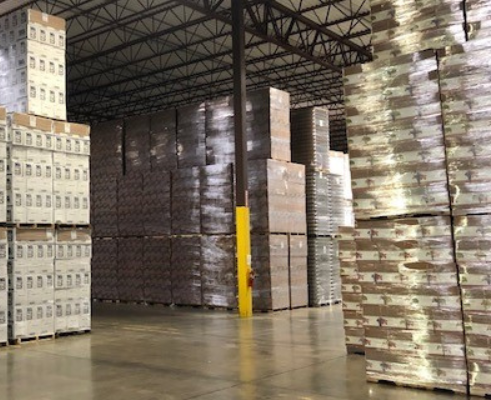
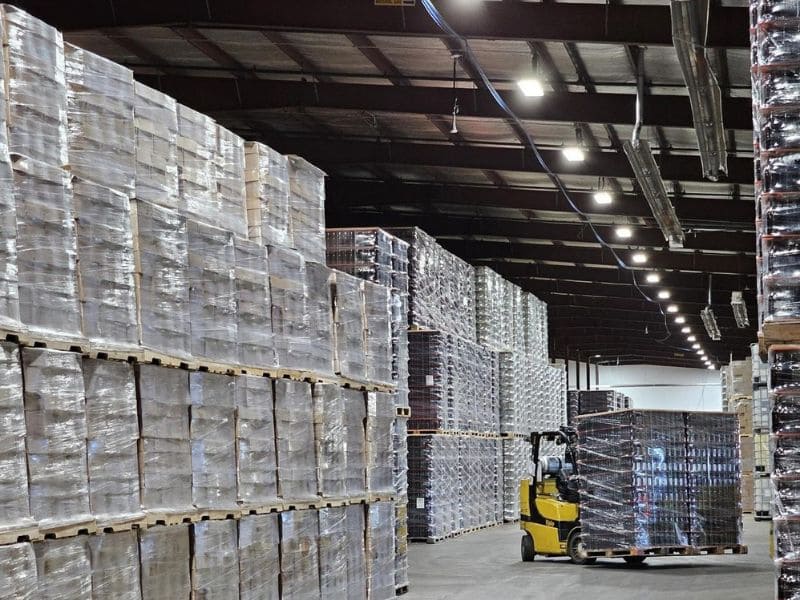
At Buske Logistics, we operate nationwide warehouse facilities designed to support high-volume B2B distribution operations.
→ Explore our expertise serving B2B companies.
Electronic Data Interchange (EDI) is essential for efficient B2B fulfillment, enabling businesses to automatically exchange purchase orders, invoices, shipping notices, and inventory updates with retail partners. Without proper EDI capabilities, manual processes can lead to delays, data errors, missed compliance requirements, and costly chargebacks.
A strong fulfillment partner should offer seamless EDI integration, especially if you are shipping to major retailers and distributors such as Walmart, Target, Costco, Kroger, Amazon vendors, and other large distribution networks.
This capability ensures your orders, invoices, and shipping data flow smoothly between systems, helping you stay compliant with retailer requirements while reducing manual work and minimizing errors throughout the order process.
Retailers enforce strict shipping, packaging, and documentation standards, and even small compliance errors can result in costly fines, chargebacks, shipment delays, and strained business relationships. Staying compliant requires constant attention to evolving retailer requirements, which can quickly become complex to manage internally.
A reliable B2B fulfillment provider helps you stay aligned with these expectations by managing key compliance requirements, including:
Inventory accuracy is especially critical in industries such as food and beverage, automotive, and consumer goods, where stock visibility directly impacts product availability, compliance, and customer satisfaction.
Modern inventory management goes beyond basic tracking and includes systems and processes designed to improve accuracy, reduce waste, and support smarter decision-making. Key components include:
Transportation is a critical component of successful B2B fulfillment, directly affecting both delivery performance and overall logistics costs. When managed effectively, it helps ensure faster, more reliable shipments while keeping freight expenses under control.
Integrated transportation management allows businesses to streamline shipping operations, improve visibility, and optimize carrier performance across the supply chain. Key services may include:
Kitting and assembly services give your business greater flexibility in how products are prepared, packaged, and delivered to meet specific customer or retail requirements. These value-added services help you respond quickly to changing market demands, run promotions more efficiently, and streamline order fulfillment without adding internal complexity.
Common kitting and assembly capabilities include:
As your business grows, managing fulfillment in-house often becomes more complex, costly, and difficult to scale efficiently. Rising operational demands, labor challenges, and retailer requirements can quickly strain internal resources.
By outsourcing B2B fulfillment to a 3PL provider, you gain access to proven systems, specialized expertise, and scalable infrastructure that help improve efficiency, reduce costs, and support long-term growth. Here are some of the key advantages:
When you operate your warehouse in-house, you are responsible for managing labor, equipment, warehouse leases, technology investments, insurance, and transportation coordination, all of which can quickly add up and strain your budget.
By partnering with a 3PL, you are able to spread these costs across multiple clients which helps reduce your overall overhead and gives you a more efficient and scalable cost structure without sacrificing operational performance.
Demand for your products can change significantly throughout the year, and having the right B2B fulfillment partner allows you to stay flexible and responsive during those shifts. Whether you are preparing for seasonal peaks, product launches, retail promotions, market expansion, or rapid growth periods, you can easily scale your operations up or down without the need to invest in additional warehouse space or hire extra labor.
This gives you the ability to meet customer demand efficiently while keeping your operations lean and cost-effective.
When your fulfillment centers are strategically located, you are able to significantly reduce transit times and improve overall delivery speed. This allows you to strengthen retail relationships by ensuring consistent and timely replenishment, improve inventory availability, and enhance customer satisfaction through faster order fulfillment.
It also supports a more reliable and predictable supply chain, helping you meet expectations with greater consistency and efficiency.
With modern 3PL providers, you gain access to advanced reporting and inventory visibility tools that give you a clear, real-time view of your operations.
You can easily monitor inventory levels, shipment tracking, order status, warehouse performance, and SKU movement in real time, allowing you to make faster and more informed decisions while keeping your supply chain running smoothly and efficiently.
When you work with an experienced B2B fulfillment partner, you significantly reduce the risk of costly retail compliance errors that can lead to chargebacks. This includes preventing issues such as ASN errors, labeling mistakes, routing guide violations, late deliveries, and incorrect pallet configurations.
By ensuring every order meets strict retailer requirements, you protect your retail relationships while also safeguarding your profitability from unnecessary penalties and deductions.
When you partner with an experienced 3PL provider, you gain immediate access to deep logistics knowledge that can strengthen every part of your supply chain. This includes freight optimization, warehouse efficiency, retail compliance, industry regulations, and the effective use of supply chain technology.
With this level of expertise supporting your operations, you are better positioned to avoid costly mistakes and improve overall performance, efficiency, and reliability across your logistics network.
Even successful businesses run into fulfillment challenges as order volumes grow, customer expectations rise, and retail requirements become more demanding. You may already be dealing with issues like delayed shipments, inventory inaccuracies, rising labor costs, or difficulty meeting strict retailer compliance standards.
Left unresolved, these problems can lead to chargebacks, lost sales, strained customer relationships, and operational inefficiencies. Below are some of the most common fulfillment challenges companies face, and the areas where the right processes and partner can make a measurable difference.
Inventory accuracy is essential to keeping your operations running smoothly and your customers satisfied. When inventory records are inaccurate, it can create costly disruptions across your supply chain, including:
Large retailers enforce strict compliance standards, and even minor errors in labeling, packaging, routing, or delivery requirements can create costly setbacks. If compliance expectations are not met, your business may face:
Transportation costs continue to rise, making a strong logistics strategy essential for protecting margins and maintaining reliable service. Freight rates can fluctuate for several reasons, including:
The U.S. Department of Transportation provides freight industry data and transportation insights that businesses can use to improve logistics planning.
Warehouse labor shortages continue to challenge fulfillment operations across the United States, making it harder for businesses to maintain speed, accuracy, and service levels.
As labor demand grows across the logistics sector, many companies are turning to automation, optimized workflows, and experienced 3PL partnerships to maintain efficiency and reduce operational strain. According to the U.S. Bureau of Labor Statistics, demand for warehousing and transportation labor continues to grow rapidly.
As your business grows, warehouse capacity can quickly become a constraint that limits efficiency and scalability. Outsourcing fulfillment gives you access to flexible storage space and operational support without the cost and long-term commitment of expanding or leasing additional warehouse facilities.
Choosing the right B2B fulfillment company is a critical decision that can directly impact your supply chain performance, customer satisfaction, and overall operational efficiency. Not all 3PL providers offer the same level of service, expertise, or infrastructure, so it’s important to take a closer look at what each partner can truly deliver.
Before you commit to a B2B fulfillment partner, you’ll want to carefully evaluate their capabilities, scalability, technology, and ability to support your specific business needs, both today and as you continue to grow.
When choosing a provider, you’ll want to work with a company that already understands the specific requirements of your industry. Having that level of experience helps reduce operational risks, improves compliance, and ensures your supply chain runs more smoothly from day one.
This is especially important for:
Technology plays a major role in driving efficiency, accuracy, and overall supply chain visibility. Your fulfillment partner should have the right systems in place to ensure seamless integration and real-time data flow across your operations.
At a minimum, you should expect capabilities such as:
A strong warehouse network plays a key role in improving delivery performance and keeping transportation costs under control. When your fulfillment partner has strategically located facilities, it allows your products to reach customers faster and more efficiently, no matter where they are located.
A nationwide network also gives your business the flexibility to scale more easily as demand grows, without compromising on speed or service quality.
As your business grows, your fulfillment needs will naturally become more complex. That’s why it’s important to choose a partner that can scale alongside you without disrupting day-to-day operations or service quality.
A strong fulfillment provider should be able to adapt quickly and support growth across different areas of your business, including:
Retail compliance is one area where even small mistakes can become costly very quickly, so it’s important to work with a fulfillment partner that truly understands the requirements. Your provider should be well-versed in retailer routing guides, labeling standards, and EDI requirements to ensure every shipment meets expectations the first time.
Having this level of expertise helps you avoid chargebacks, delays, and rejected shipments, while keeping your retail relationships strong and reliable.
In logistics, clear and consistent communication can make all the difference in how smoothly your operations run. Strong customer support isn’t just a nice-to-have, it’s what builds trust and creates long-term, reliable partnerships with your 3PL provider.
You should expect a fulfillment partner that stays responsive, transparent, and proactive in managing your account. Look for a 3PL that offers:
As you plan your logistics strategy for the year ahead, you’ll notice that B2B fulfillment is evolving faster than ever, driven by rising expectations for speed, accuracy, and visibility. To stay competitive, you need fulfillment operations that are more agile, tech-enabled, and responsive to your customers’ demands.
Here are the key B2B fulfillment trends shaping 2026 that you should be paying attention to:
Automation and robotics help you manage increasing order volumes more efficiently while keeping your operations consistent, scalable, and reliable. By integrating automation into your warehouse processes, you can significantly improve overall performance across key areas such as picking efficiency, inventory accuracy, labor productivity, and order speed, ensuring smoother and more predictable fulfillment operations.
AI-powered supply chain visibility is becoming increasingly important as you manage more complex operations, helping you make faster and more informed decisions through real-time insights. By leveraging artificial intelligence, you can improve accuracy and responsiveness across key areas such as demand forecasting, inventory planning, route optimization, and predictive analytics.
With increasing pressure on supply chain transparency, you now need full visibility of your inventory across every warehouse and transportation stage. Real-time tracking helps you make faster, more accurate operational decisions while also improving communication with your customers and partners.
Omnichannel fulfillment is essential for your business when serving both B2B and B2C customers simultaneously, as it requires a single, integrated operation capable of managing multiple channels efficiently.
Modern fulfillment providers are expected to support a range of sales channels seamlessly, including retail distribution, wholesale orders, eCommerce fulfillment, and direct-to-consumer shipping.
Sustainability initiatives are becoming a growing priority for both your customers and retail partners, meaning you may increasingly be expected to demonstrate more responsible and efficient logistics practices.
To meet these expectations, companies are focusing on reducing environmental impact across their supply chains by optimizing transportation routes, reducing packaging waste, improving energy efficiency within warehouses, and implementing effective reverse logistics programs.
The U.S. Environmental Protection Agency (EPA) highlights sustainable supply chain practices as a key initiative for reducing environmental impact and greenhouse gas emissions.
Choosing the right 3PL provider can directly impact your operational performance, customer relationships, and profitability. At Buske Logistics, we provide customized B2B fulfillment solutions designed to support complex supply chains across multiple industries.
Our capabilities include:
We support leading brands across the food and beverage, automotive, retail, and consumer goods industries. With over 100 years of B2B fulfillment expertise, Buske Logistics has built a long-standing reputation for reliability and operational excellence.
Businesses trust us because we focus on delivering accuracy and speed, ensuring every order is processed correctly and on time, while maintaining full transparency and scalability so your operations can grow without disruption. This is supported by a strong emphasis on long-term operational efficiency, helping you streamline processes and improve performance across your supply chain.
If you’re evaluating providers, you may also want to read our guide to the best B2B 3PL companies.
B2B fulfillment is the process of storing, processing, packing, and shipping products from one business to another business, such as retailers, wholesalers, distributors, and commercial buyers. It ensures orders are handled accurately and delivered on time to meet the specific requirements of business customers.
B2B fulfillment involves larger, more complex shipments with stricter compliance requirements, retailer routing guides, and scheduled delivery windows. In contrast, B2C fulfillment focuses on smaller parcel shipments delivered directly to consumers, typically with simpler packaging and shipping requirements.
Outsourcing B2B fulfillment helps businesses reduce operational costs, improve scalability, increase inventory visibility, and streamline logistics operations. By partnering with an experienced 3PL provider, companies can leverage specialized expertise, technology, and infrastructure without investing in their own warehouse network.
B2B fulfillment services are especially valuable for industries that manage large order volumes, strict compliance requirements, or complex distribution networks. Common sectors that benefit the most include food and beverage, automotive, consumer packaged goods (CPG), retail, manufacturing, industrial products, and healthcare. These industries rely on accurate inventory management, efficient order processing, and dependable transportation to keep supply chains running smoothly and meet customer expectations.
EDI (Electronic Data Interchange) allows businesses and retailers to exchange purchase orders, invoices, shipment updates, and inventory information automatically between systems. This reduces manual data entry, improves accuracy, and helps speed up order processing across the supply chain.
Experienced fulfillment providers help businesses stay compliant with retailer requirements such as labeling, ASN accuracy, pallet configurations, routing guides, and delivery windows. By maintaining compliance and minimizing errors, they help reduce costly chargebacks and improve retailer relationships.
The best B2B fulfillment provider should offer industry expertise, nationwide warehouse coverage, strong technology integrations, retail compliance support, scalable operations, and reliable customer service. Look for a partner with proven experience managing complex B2B orders, meeting retailer requirements, and adapting to your business as it grows.
B2B fulfillment is no longer just about storing and shipping products. In 2026, businesses need fulfillment partners that can improve supply chain efficiency, reduce costs, maintain retailer compliance, and support long-term growth.
The right 3PL provider helps your business scale faster, improve delivery performance, and reduce operational complexity. It also enhances inventory accuracy and strengthens relationships with your retail partners by ensuring consistent, reliable, and efficient supply chain execution.
At Buske Logistics, we provide customized B2B fulfillment solutions designed to help businesses operate more efficiently and grow with confidence. If you’re looking for a trusted fulfillment partner, our team is ready to help.
Contact Buske Logistics today to learn how our B2B fulfillment services can support your business growth.

Buske Logistics is a Top 20 Private Warehousing 3PL. Let's build a solution for your supply chain.