.png)
-p-130x130q80.png)
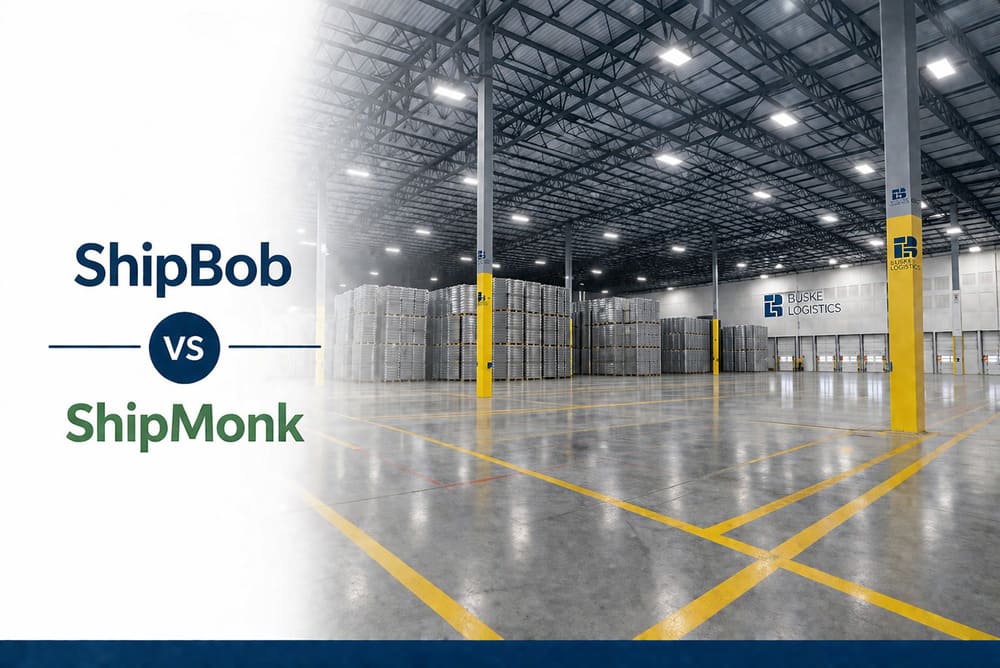
Choosing the right fulfillment partner can make or break your ecommerce growth. Two popular options for fast-growing brands are ShipBob vs ShipMonk, but which one is right for your business?
In this comparison, we break down pricing, features, and operational differences to help you make an informed decision. We’ll also look at how each platform handles inventory, integrations, shipping speed, and scalability so you can better match your fulfillment strategy with your business goals.
If you’re exploring 3PL providers more broadly, start here:
→ Best Fulfillment Companies in USA
Both ShipBob and ShipMonk are designed for ecommerce businesses, offering order fulfillment, shipping, and inventory management. They serve small to mid-sized businesses but differ in pricing, technology, and flexibility.
Understanding these differences is key before committing to a provider.
ShipBob is known for its technology-driven approach and distributed warehouse network, offering features designed to streamline ecommerce fulfillment. Key features include:
ShipBob Pricing
ShipBob uses a flexible pricing model based on fulfillment activity and storage needs. Pricing typically includes:
This pricing structure can work well for businesses with predictable order volume but may become costly for high-SKU operations or during seasonal spikes.
→ Learn more about fulfillment pricing.
ShipMonk focuses on growing ecommerce brands, emphasizing fast integrations and scalable, tech-driven fulfillment solutions. Key features include:
ShipMonk also offers a proprietary platform with built-in warehouse and order management systems, along with integrations across 100+ ecommerce platforms for seamless operations.
ShipMonk Pricing
ShipMonk uses a flexible, usage-based pricing model designed to scale with your fulfillment needs. Pricing typically includes:
ShipMonk’s pricing is generally transparent and scalable, but total costs can increase as order volume grows or when additional services and storage needs expand.
While ShipBob and ShipMonk both support growing ecommerce operations, they differ in warehouse coverage, pricing models, and channel flexibility. These differences help brands choose the provider that best fits shipping needs and growth plans.
If neither platform fits your business, there are several alternatives worth exploring based on your fulfillment needs:
Buske’s tailored solutions can support complex SKU operations, high-volume fulfillment, and omnichannel strategies, making it a strong option for businesses that outgrow standard 3PL platforms.
The right choice depends on your specific business needs and fulfillment priorities:
However, enterprise and fast-growing companies may need more scalable solutions than either ShipBob or ShipMonk can offer; that’s where providers like Buske Logistics excel, combining flexible operations, advanced integrations, and dedicated account management.
→ Learn more about outsourcing fulfillment.
Both ShipBob and ShipMonk offer clear advantages for ecommerce brands, but their strengths differ depending on shipping priorities, integration needs, and cost structure.
The table below highlights where each provider performs well and where potential limitations such as storage costs, warehouse reach, or scaling expenses may affect your decision.
While ShipBob and ShipMonk serve growing ecommerce brands, Buske Logistics offers more advanced capabilities designed for complex and high-volume operations:
This makes Buske an ideal choice for businesses that need more than off-the-shelf 3PL fulfillment solutions.
→ Contact our enterprise fulfillment expert today to learn more.
ShipBob focuses on distributed fulfilment with multiple warehouse locations for faster shipping, while ShipMonk emphasizes subscription pricing and multi-channel integration for fast-growing ecommerce brands.
ShipBob charges per order plus storage fees, whereas ShipMonk combines subscription fees with per-order and storage costs. Pricing depends on order volume, SKU complexity, and service needs.
Yes — providers like Buske Logistics offer scalable fulfilment for enterprise and high-growth brands, with strong integrations for ecommerce platforms, marketplaces, and ERP systems.
ShipBob’s distributed warehouse network generally provides faster delivery, but high-volume businesses may prefer a scalable provider like Buske Logistics for customizable fulfilment solutions.
Yes, ShipMonk supports Shopify, Amazon, Etsy, eBay, and BigCommerce. However, its warehouse distribution network is smaller compared with ShipBob, which can affect delivery speed.
Consider order volume, SKU complexity, platform integrations, shipping speed, and scalability. Evaluating the most important factors helps match your business needs with the best 3PL solution.

Buske Logistics is a Top 20 Private Warehousing 3PL. Let's build a solution for your supply chain.