.png)
-p-130x130q80.png)
.jpg)
Free Trade Zone (FTZ) warehousing is the key to reducing costs, streamlining your global trade processes, and gaining a competitive edge.
In this comprehensive guide, we'll break down what an FTZ warehouse is, the advantages it offers, and how Buske Logistics can help you unlock its full potential.
A Free Trade Zone (FTZ) is a designated area where goods can be imported, stored, processed, or manufactured without being subject to the usual customs duties and taxes. FTZ warehousing is a key component of this cost-saving strategy.
Goods can be held in an FTZ warehouse duty-free until they are either exported or brought into the U.S. market. This type of warehousing is particularly beneficial for companies dealing with large volumes of imports and exports, allowing them to lower costs while improving overall supply chain efficiency.
At Buske Logistics, we’ve seen firsthand the benefits of free trade zone warehousing for high-profile clients such as Coca-Cola and Crown.
By utilizing FTZ warehouses, these companies have significantly cut logistics costs, not only by deferring duty payments but also by gaining greater operational flexibility, which is crucial in today's competitive market. This flexibility includes assembling or processing goods within the zone, enabling cost savings and improved time-to-market.
For example, a company can import electronic components into an FTZ warehouse and delay paying customs duties until the finished products are sold in the U.S.
If the goods are exported, no duties are required. Additionally, damaged items in the FTZ are duty-free, saving even more on unusable components.
Whether you're in automotive, industrial, aerospace, or retail and distribution, free trade zone warehousing offers a range of advantages. Let's explore some of the top benefits:
When goods are stored in an FTZ warehouse, they can remain duty-free until they leave the zone. This means companies avoid the upfront costs of paying duties on items they haven’t yet sold, allowing them to free up cash flow.
Goods that are re-exported don’t incur any duties at all, resulting in substantial savings for companies dealing with international trade.
According to the Department of Commerce’s Bureau of Economic Analysis (BEA), in 2023, U.S. exports of digitally-enabled services accounted for 64% of all U.S. services exports, driving the $278 billion trade surplus in services. Likewise, by leveraging FTZs, companies can defer or eliminate customs duties on imported goods, resulting in considerable savings, particularly when exporting products.
FTZ warehousing not only reduces costs but also simplifies inventory management and regulatory compliance. Companies can consolidate shipments, repackage goods, and even carry out light manufacturing inside the free trade zone before distributing products.
This improves operational efficiency and reduces delays caused by complex customs regulations. A study shows that companies that use FTZ warehousing report a 25% faster throughput in supply chains compared to those that do not utilize FTZs.
For businesses that import goods from various countries and export to multiple destinations, free trade zone provide flexibility. Products can be stored indefinitely without incurring customs duties or taxes, making it easier to manage inventory and avoid unnecessary costs.
Businesses using FTZs reduce duty costs and experienced duty cost savings of $1.2 billion in 2021, according to a recent study by Looney.
Operating in a free trade zone means that businesses have fewer customs paperwork and regulatory hurdles. Goods can be stored, processed, and repackaged without going through the usual customs clearance procedures. This is especially helpful for industries with complex products, like aerospace and defense.
With over 100 years of experience, Buske Logistics understands the complexities of managing an FTZ warehouse, from compliance and customs regulations to maximizing efficiency. Our expertise extends across multiple industries, including automotive, healthcare, industrials, aerospace, and food and beverage.
Here's why Buske Logistics stands out as your ideal partner:
Our free trade zone warehousing services are fully customizable to meet your specific needs. Whether you need duty deferral strategies or supply chain optimization, Buske has the solutions to help you maximize your operations.
Our warehousing facilities are equipped with advanced inventory management systems, providing you with real-time visibility into your stock levels and ensuring compliance with customs regulations.
Buske Logistics has over 100 years of experience in managing free trade zone warehouses. We have a deep understanding of the regulatory landscape and consistently deliver results that drive cost savings and improve operational efficiency.
According to a case study of Rocket Software, businesses that partner with Buske Logistics for FTZ warehousing report a reduction in overall supply chain costs also leading to the expansion of their warehouse footprint by over 35% in just 18 months.
No two industries are alike, and we recognize that. Our free trade zone solutions are tailored to fit the specific needs of sectors like retail, automotive, and aerospace. We help companies navigate the unique challenges of their industries, ensuring full compliance and operational efficiency.
On average, Buske's FTZ solutions lead to a 30% improvement in supply chain efficiency across industries.
Free Trade Zone (FTZ) warehousing refers to secure, designated areas within the United States that are legally treated as outside U.S. customs territory, allowing businesses to store, assemble, manipulate, or process imported goods without paying duties, tariffs, or Merchandise Processing Fees (MPF) until those products formally enter U.S. commerce. Goods that are re-exported directly from an FTZ avoid U.S. duties altogether. Authorized by the Foreign-Trade Zones Act of 1934 and overseen by U.S. Customs and Border Protection (CBP) and the FTZ Board, FTZs streamline international trade by deferring customs charges, reducing duty costs through inverted tariff structures, consolidating weekly entries, and providing flexible storage without the usual import restrictions, making them a strategic tool for global supply chains.
While both Free Trade Zones (FTZs) and Special Economic Zones (SEZs) offer tax and duty incentives to encourage trade and investment, they serve different purposes and operate under different frameworks. FTZs are primarily focused on duty-free warehousing, re-exporting, light manufacturing, and value-added services such as kitting, labeling, repacking, and assembly without immediate customs duties — they exist mainly in the United States under federal FTZ Board oversight. Special Economic Zones (SEZs), more common in countries like China, India, the UAE, and Mexico, typically offer broader industrial, commercial, and sometimes residential incentives, including corporate tax breaks, relaxed labor laws, and infrastructure subsidies, to attract foreign direct investment and large-scale manufacturing.
The main benefits of Free Trade Zone warehousing include duty deferral, duty elimination on re-exports, inverted tariff savings, reduced Merchandise Processing Fees through weekly entry consolidation, improved cash flow, and simplified customs compliance. FTZs also allow indefinite storage of imported goods without time limits, support value-added activities like kitting, labeling, repacking, testing, and light manufacturing, and reduce the risk of damaged or scrapped inventory generating duty liability. Additional advantages include faster customs processing, improved supply chain visibility, and stronger inventory control through CBP-approved security and recordkeeping standards. These benefits make FTZ warehousing especially valuable for companies managing high volumes of imports, exports, or tariff-sensitive products.
Free Trade Zone warehousing benefits importers of high-value or tariff-sensitive goods, manufacturers using globally sourced components, eCommerce sellers with international supply chains, and companies managing seasonal, re-exported, or slow-moving inventory. Industries that gain the most include automotive, electronics, pharmaceuticals, apparel, consumer packaged goods (CPG), industrial equipment, and beverage alcohol. Key advantages include tariff deferral, inverted duty savings (paying the lower finished-good duty rate instead of higher component rates), MPF reduction, and the ability to perform value-added services like kitting, labeling, and assembly inside the zone. These capabilities make FTZs a powerful tool for reducing landed costs, improving cash flow, and strengthening competitiveness in global trade.
The best way to determine if FTZ warehousing is right for your business is to consult an experienced logistics provider like Buske Logistics, who can analyze your import volumes, duty exposure, product mix, and supply chain footprint to identify potential savings. A proper FTZ feasibility assessment typically reviews annual import value, average duty rates, re-export percentages, inventory turnover, and value-added activity opportunities to calculate ROI and payback timelines. Companies importing more than $5–10 million in dutiable goods annually, operating with high tariff rates, or managing complex global sourcing usually see the strongest financial benefit. Buske Logistics helps shippers evaluate FTZ options, navigate CBP and FTZ Board requirements, and implement compliant, cost-effective warehousing solutions tailored to their operations.
Selecting an FTZ warehousing offers unparalleled advantages for businesses involved in international trade. At Buske Logistics, we provide tailored free trade zone solutions that align with your business goals, ensuring full compliance and operational excellence.
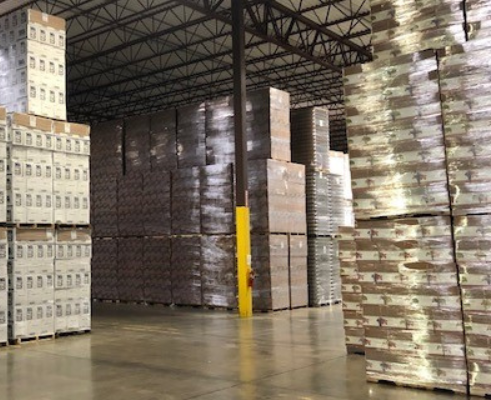
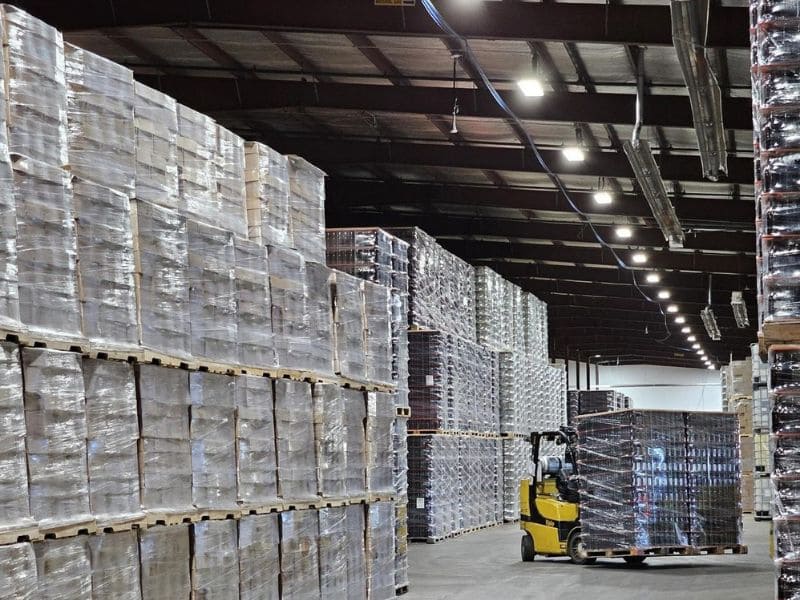
We specialize in helping companies reduce costs, increase efficiency, and optimize global trade operations. Learn more about our warehousing solutions like the one we have in Houston, Texas, that can significantly enhance your supply chain while providing cost savings and streamlined operations.
Together, we can create a strategic plan that maximizes the benefits of your FTZ partnership, ensuring compliance and operational excellence every step of the way. Your success is our priority, and we're here to support you in achieving it.
Ready to elevate your business and partner with a leader in free trade zone warehousing? Contact Buske today or call us at +1 (618) 931-6091 and let’s discuss how we can unlock the full potential of FTZ warehousing for your operations.

Buske Logistics is a Top 20 Private Warehousing 3PL. Let's build a solution for your supply chain.