.png)
-p-130x130q80.png)
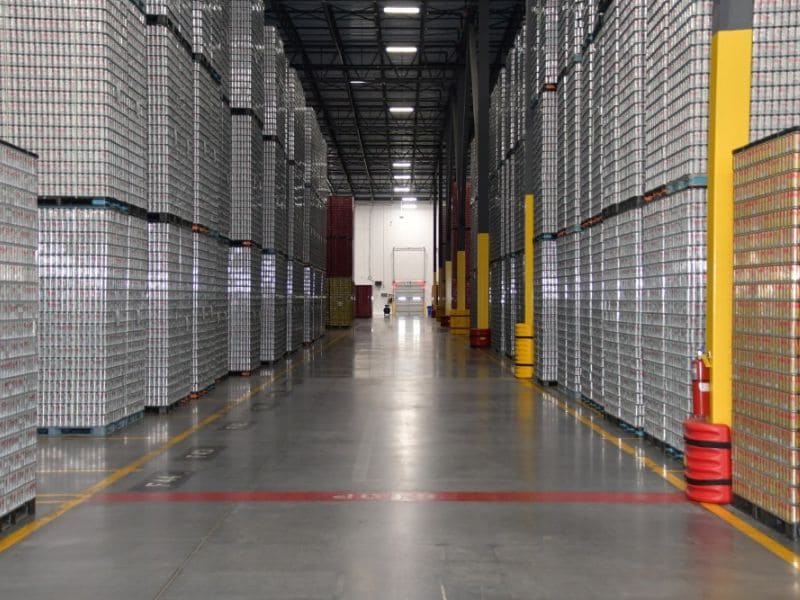
3PL providers help businesses reduce logistics costs, improve shipping efficiency, and scale operations through outsourced supply chain management.
Instead of building warehouses, managing fulfillment teams, and coordinating shipping carriers internally, companies can partner with logistics providers that specialize in supply chain operations.
By outsourcing logistics to experienced providers, businesses gain access to infrastructure, technology, and expertise that would otherwise require significant investment.
For a deeper overview of how third-party logistics works, explore our complete guide to third-party logistics.
As businesses grow, logistics operations become more complex. Managing inventory, shipping orders, coordinating carriers, and handling returns requires significant operational resources.
Many companies turn to 3PL providers to simplify these challenges and build more efficient supply chains. Outsourcing logistics allows organizations to focus on their core competencies while specialists handle warehousing, fulfillment, and distribution.
According to the Council of Supply Chain Management Professionals (CSCMP), logistics costs represent a significant share of total business expenses, reinforcing the need for efficient logistics strategies and experienced supply chain partners.
Working with a third-party logistics provider offers several operational and strategic advantages.
Operating warehouses and managing fulfilment internally requires significant capital investment. Many businesses underestimate the ongoing operational expenses required to maintain efficient logistics operations.
Businesses must pay for:
3PL providers share logistics infrastructure across multiple clients, allowing companies to benefit from economies of scale. This shared infrastructure can significantly reduce logistics costs.
Businesses comparing cost structures can understand 3PL pricing models to see how logistics providers structure their service fees. This helps organizations make more informed decisions when evaluating outsourcing options.
One of the biggest advantages of outsourcing logistics is scalability. As order volumes increase, businesses may need additional warehouse space, staff, and shipping capacity.
3PL providers allow companies to expand logistics operations quickly without building new facilities or hiring additional teams. This flexibility makes outsourcing particularly attractive for fast-growing ecommerce companies.
Customer expectations for fast delivery have increased dramatically in recent years.
3PL providers often operate distributed warehouse networks that store inventory in multiple locations. This allows businesses to place products closer to customers, reducing shipping distances and improving delivery speed.
Faster shipping can significantly improve customer satisfaction and retention.
Logistics providers specialize in supply chain operations. Their teams have experience managing complex fulfillment processes, optimizing shipping strategies, and maintaining efficient warehouse operations.
This expertise helps businesses avoid common logistics mistakes and improve operational efficiency. Experienced providers also understand how to adapt logistics strategies as businesses grow.
Modern logistics operations rely heavily on technology to maintain efficiency and accuracy across the supply chain. Without the right systems in place, managing inventory, orders, and shipments can quickly become complex.
3PL providers typically offer access to advanced systems such as:
These tools provide real-time insights into inventory levels, order processing, and shipping performance.
Access to advanced logistics technology allows businesses to manage supply chains more efficiently without investing in expensive software systems.
Accurate inventory tracking is critical for maintaining efficient logistics operations.
3PL providers use warehouse management systems that track product quantities, storage locations, and inventory movements. This improves inventory visibility and reduces the risk of stockouts or overstocking.
Real-time inventory data also helps businesses plan restocking strategies more effectively.
Managing logistics internally exposes businesses to operational risks that can disrupt supply chains and impact customer satisfaction. Without the right infrastructure and expertise, even small issues can quickly escalate into costly delays.
These risks can include:
3PL providers have established systems and processes designed to minimize these risks. Their experience managing large logistics networks helps ensure consistent service reliability.
Logistics operations can consume significant time and resources. Managing transportation, warehousing, and fulfillment internally often diverts attention from higher-value business activities.
Outsourcing these responsibilities allows businesses to focus on strategic priorities such as:
By delegating logistics to experienced providers, companies can allocate internal resources more effectively. This enables teams to concentrate on innovation, revenue generation, and long-term business growth.
3PL providers often operate extensive distribution networks that support national or global shipping. This flexibility allows businesses to expand into new markets without building new logistics infrastructure.
Global shipping capabilities also help businesses support international ecommerce growth.
Efficient logistics operations play a critical role in customer satisfaction. Reliable order fulfillment, fast shipping, and accurate delivery tracking help build customer trust.
By improving logistics performance, businesses can deliver a better overall customer experience.
Companies experiencing rapid growth may also want to evaluate the signs your business should use a 3PL to determine when outsourcing logistics becomes necessary.
Using a third-party logistics (3PL) provider helps businesses reduce logistics costs, improve delivery speed, and increase overall supply chain efficiency. Instead of managing warehousing, fulfillment, transportation, and inventory internally, companies can leverage the expertise, technology, and infrastructure of a professional logistics partner. Many 3PL providers offer scalable warehouse space, advanced warehouse management systems (WMS), transportation management solutions, and nationwide distribution networks that help streamline operations. Businesses also benefit from improved order accuracy, faster shipping times, and greater supply chain visibility while focusing more on growth and customer service.
Yes. 3PL providers help businesses scale by offering flexible warehousing and fulfillment solutions that can adapt to changing order volumes and market demand. As businesses grow, a 3PL can quickly expand storage capacity, increase shipping capabilities, and support multi-channel fulfillment without requiring companies to invest in additional warehouse infrastructure, labor, or logistics technology. This scalability is especially valuable during seasonal spikes, rapid eCommerce growth, product launches, or geographic expansion. By outsourcing logistics operations, businesses can scale more efficiently while maintaining fulfillment speed and customer satisfaction.
Absolutely. Many small businesses use 3PL providers to manage inventory storage, order fulfillment, packing, and shipping while focusing internal resources on sales, marketing, and customer acquisition. Outsourcing logistics allows small businesses to operate more efficiently without making major investments in warehouse facilities, equipment, staffing, or shipping systems. A 3PL can also help small businesses access lower shipping rates, advanced fulfillment technology, and faster delivery networks that may otherwise be difficult to manage independently. This helps growing businesses compete more effectively in eCommerce and retail markets.
Yes. Many third-party logistics providers offer international shipping and cross-border logistics services to help businesses expand into global markets. These services may include freight coordination, carrier management, customs documentation, import and export compliance, international warehousing, and shipment tracking. Experienced 3PL providers help businesses navigate complex international shipping requirements while reducing delays and improving delivery reliability. By outsourcing global logistics operations, companies can simplify international distribution and improve supply chain efficiency across multiple countries and regions.
Yes. A 3PL can significantly improve supply chain efficiency by using optimized warehouse processes, inventory management systems, automation technologies, and transportation networks. Third-party logistics providers streamline fulfillment operations by improving inventory accuracy, reducing shipping errors, shortening delivery times, and increasing warehouse productivity. Many 3PL companies also provide real-time reporting and analytics that help businesses make better supply chain decisions. These operational improvements help companies reduce costs, improve customer satisfaction, and maintain more reliable fulfillment performance.
Businesses often consider using a 3PL provider when order volumes increase, shipping operations become difficult to manage internally, or customer delivery expectations continue to grow. Companies may also outsource logistics when expanding into new markets, launching eCommerce operations, or facing warehouse capacity limitations. A 3PL can help businesses improve fulfillment speed, reduce operational complexity, and maintain scalable logistics support during periods of growth. Partnering with a third-party logistics provider allows businesses to focus more on core operations while improving overall supply chain performance and customer experience.
Efficient logistics operations are essential for businesses that sell physical products. As order volumes grow, managing supply chains internally can quickly become complex and costly.
Partnering with a third-party logistics provider helps companies streamline fulfillment, reduce operational costs, and improve delivery performance. This allows businesses to focus more on growth while logistics experts handle warehousing, shipping, and inventory management.
If you want to understand how logistics providers support modern supply chains, explore our ultimate guide to third-party logistics. It provides a deeper look at how 3PL services help businesses scale their operations efficiently.
If your logistics operations are becoming more complex as your business grows, working with an experienced 3PL provider can help you scale efficiently.
Contact our logistics specialists today to discover how outsourcing fulfillment and distribution can reduce costs, improve shipping speed, and support your long-term growth.

Buske Logistics is a Top 20 Private Warehousing 3PL. Let's build a solution for your supply chain.