.png)
-p-130x130q80.png)
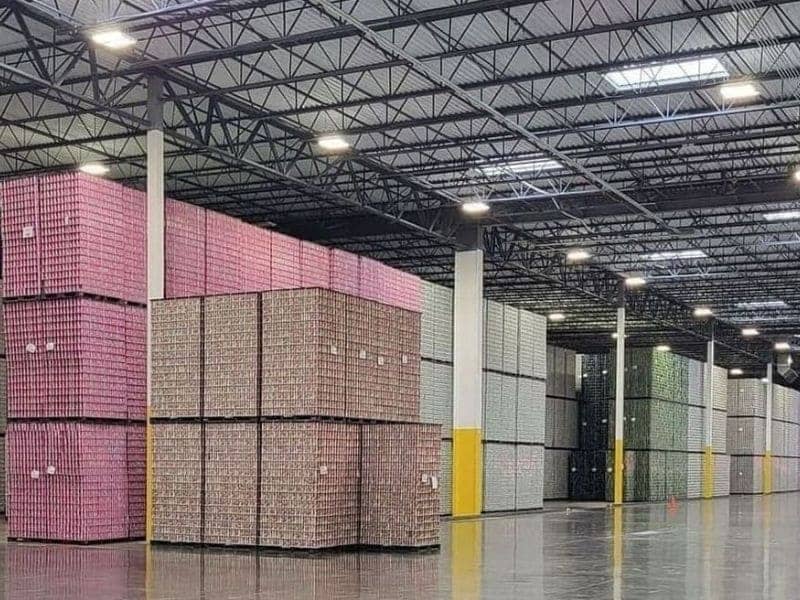
Distribution and retail are two distinct stages of the supply chain, and while they often work together, they serve very different purposes. Distribution moves products from manufacturers to intermediaries or retailers, while retail is the final step where products reach the end consumer.
If you are a brand deciding how to bring products to market, or a business evaluating your supply chain strategy, understanding where distribution ends and retail begins is critical. Getting this wrong leads to inventory bottlenecks, compliance failures, and margin loss.
In this article, we will walk you through what each function does, the key differences, where the "retail distributor" concept fits in, and real-world examples of how brands like PepsiCo and Starbucks operate across both.
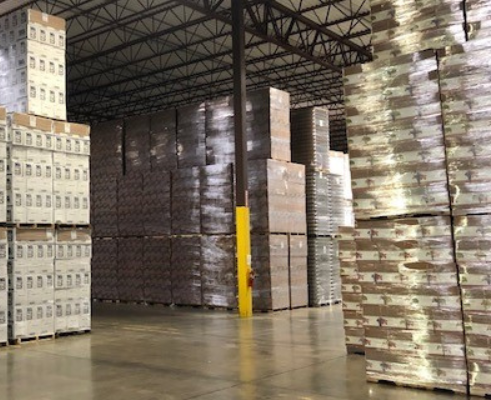
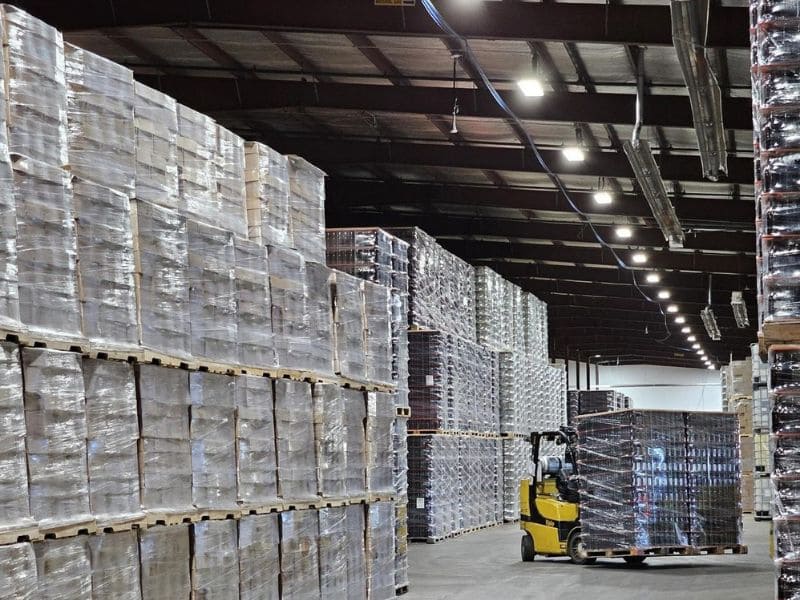
Distribution is the process of receiving goods from a manufacturer, storing them, and moving them to the next point in the supply chain. That next point could be a retailer, a wholesaler, another warehouse, or even directly to a business buyer.
The end consumer is almost never the direct recipient in a traditional distribution model. Distribution operations typically include:
At Buske Logistics, distribution is at the core of what we do. Across 40+ facilities across the U.S. and Canada, we manage distribution operations for brands like PepsiCo, Molson Coors, and Golden State Foods.
One thing distribution is not: it is not just trucking. Many people confuse transportation with distribution. Transportation is a component, but distribution also includes warehousing, inventory control, and the fulfillment logic that determines how, when, and where product moves.
Retail is the sale of goods directly to the end consumer. The retailer is the last link in the supply chain before the product reaches someone's home or hands. Retail channels include brick-and-mortar stores, e-commerce platforms, direct-to-consumer (DTC) brands, and even vending operations.
Retailers buy product in relatively smaller quantities compared to distributors, mark it up, and sell it to consumers at a price that covers overhead, labor, and profit margin. The operational focus in retail is completely different from distribution:
Major retailers like Walmart, Target, Kroger, and Costco all have detailed vendor compliance manuals. If a supplier ships product that does not meet labeling, pallet configuration, or delivery window requirements, the retailer charges back penalties.
That is why retail compliance is more than a logistics requirement. Failing to meet compliance standards can directly impact your bottom line.
Retail operations are also consumer-facing, which means brand experience, product placement, and in-store availability directly affect sales. Distribution operations are largely invisible to the end consumer.
Here is a direct comparison to make the distinction clear:
The biggest operational difference comes down to who the customer is and how product flows. In distribution, you are moving large quantities efficiently. In retail, you are selling one unit at a time with a focus on the consumer experience.
A retail distributor sits at the intersection of both functions. This entity buys products in bulk from manufacturers and then sells and delivers those products to retail stores. They take on the warehousing, transportation, and sometimes even the merchandising responsibilities that retailers do not want to handle at the manufacturer level.
Think of a beverage distributor supplying a regional grocery chain. They buy hundreds of cases of Molson Coors beer, warehouse it locally, and then deliver to dozens of individual store locations based on each store's order. They are doing distribution work (warehousing, routing, compliance) while their end customer is a retailer rather than a consumer.
Retail distributors are critical in industries like:
Understanding retail order routing is essential for retail distributors because major retailers have specific delivery appointment windows, routing guides, and carrier requirements that must be followed exactly or chargebacks follow.
Distribution done well creates serious competitive advantages. Here is what strong distribution operations deliver:
1. Cost efficiency at scale. Moving product in bulk reduces per-unit handling and transportation costs. A brand shipping product to a single regional distribution center instead of dozens of retail stores pays less per unit moved.
2. Speed to shelf. Well-run distribution centers with optimized pick-and-pack workflows get product out faster. For time-sensitive goods like Starbucks cold brew or Golden State Foods products, speed directly affects freshness and sales.
3. Inventory accuracy. Centralized distribution allows for better inventory visibility. You know exactly what you have, where it is, and when it needs to move.
4. Scalability. Brands that grow quickly need distribution infrastructure that scales. A 3PL partner like Buske Logistics, with 8.5 million square feet across North America, allows brands to scale operations without building their own facilities.
5. Compliance management. Meeting retailer requirements for labeling, EDI, pallet configuration, and delivery windows is complex. Distribution partners who specialize in retail compliance reduce chargeback risk significantly.
Retail channels offer benefits that distribution alone cannot:
1. Direct consumer relationship. Retailers interact with consumers at the point of purchase. That relationship drives brand loyalty, repeat purchase, and real-time feedback on product performance.
2. Higher margins per unit. While distribution operates on thin margins at volume, retail markup allows for higher per-unit profitability, especially for premium or specialty products.
3. Brand control. In retail, especially direct-to-consumer retail, brands control how products are presented, priced, and experienced. That control is harder to maintain through wholesale distribution channels.
4. Consumer data. Retail operations, especially e-commerce, generate detailed consumer behavior data that manufacturers and distributors simply do not have access to.
5. Market testing. Retail channels allow brands to test new products in specific markets before committing to full distribution. A regional grocery chain rollout can validate demand before a national distribution push.
PepsiCo operates one of the most sophisticated distribution networks in the country. Their distribution centers handle billions of units annually, moving product to thousands of retail locations across the U.S.
The retail side, what happens when a can of Pepsi hits a Walmart shelf, is a completely separate operational layer managed by the retailer.
Diageo distributes premium spirits through a licensed three-tier system (manufacturer, distributor, retailer) required by U.S. state laws. Their distribution partners handle the warehousing and delivery to liquor stores, who then sell to consumers.
Starbucks operates both distribution and retail. Their distribution network moves coffee, cups, and merchandise to both company-owned stores (retail) and licensed locations. The retail experience, the barista, the store layout, the loyalty app, is managed separately from the distribution infrastructure.
These examples show that for large brands, distribution and retail are not competing functions. They are complementary, and optimizing both is what separates high-performing supply chains from the rest.
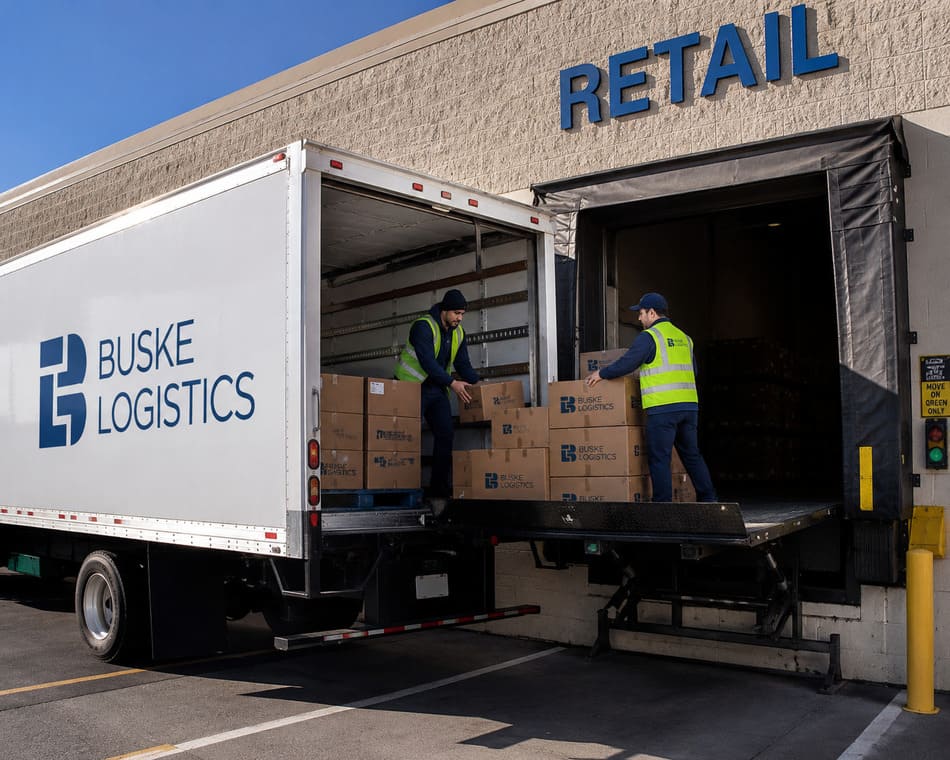
The supply chain is not a competition between distribution and retail. It is a sequence. Manufacturers produce goods. Distributors move and store those goods. Retailers sell those goods to consumers. Each stage depends on the others performing well.
Where this gets complicated is at the handoff points. Retail vendors must follow strict routing guides, EDI requirements, and delivery windows set by major retailers.
A missed delivery appointment at a Walmart distribution center can trigger chargebacks that wipe out an entire shipment's margin. This is where having an experienced 3PL partner matters enormously.
At Buske, we work with Fortune 500 clients and growing DTC brands alike to manage that handoff efficiently. Whether it is automotive sequencing for Stellantis or CPG distribution for Ball Corporation, the principle is the same: accurate, compliant, on-time delivery that protects your relationship with your retail partners.
According to the U.S. Census Bureau's retail trade data, U.S. retail sales exceed $7 trillion annually, which means every percentage point of efficiency gained in distribution has massive downstream financial impact.
If you want to understand the regulatory side of retail supply chains, the Federal Trade Commission's guide on distribution and competition offers a useful legal framework for how distribution agreements are structured in the U.S.
If you are trying to figure out whether to build a distribution network, partner with a retail distributor, or restructure your current supply chain, the right 3PL partner makes all the difference. Contact Buske Logistics today to talk through your specific distribution and retail needs.
We work with brands of all sizes, from Fortune 500 companies to fast-growing mid-market brands, and we know what it takes to build efficient, compliant, and scalable distribution operations that support your retail goals.
Learn more about our full range of supply chain solutions.
Distribution moves goods from manufacturers to intermediaries or retailers, while retail sells those goods directly to consumers. Distribution focuses on bulk movement, storage, and fulfillment at the B2B level. Retail is the consumer-facing end of the supply chain where individual units are sold. The two functions require different operational setups, pricing models, and compliance frameworks.
A retail distributor buys products in bulk from a manufacturer and then delivers those products to retail stores for sale to consumers. They handle the warehousing, routing, and delivery logistics between the manufacturer and the retailer. In industries like beverages and alcohol, retail distributors are a legally required part of the supply chain in most U.S. states.
Yes, many large companies operate both distribution and retail functions simultaneously, though they typically keep the two operationally separate. Starbucks is a clear example: they distribute products to their own stores and licensed locations while also running consumer-facing retail operations. DTC brands also commonly manage both by fulfilling orders from their own warehouses directly to consumers.
Retail compliance ensures that products are delivered to retailers according to their specific labeling, routing, and delivery window requirements, which directly affects whether chargebacks are issued.
Major retailers like Walmart and Target have detailed vendor compliance manuals. A shipment that does not meet those requirements can result in significant financial penalties. Working with a 3PL experienced in retail compliance reduces this risk considerably.
A 3PL manages the warehousing, fulfillment, compliance, and transportation functions that connect manufacturers to retailers, handling both distribution logistics and retail-facing requirements. For brands without the capital to build their own distribution centers, a 3PL like Buske Logistics provides immediate access to infrastructure, expertise, and technology. This allows brands to scale faster and meet retailer requirements without building in-house logistics teams.
Industries like beverages, alcohol, consumer packaged goods, pharmaceuticals, and fresh food rely most heavily on retail distributors as a mandatory link between production and retail sale. In alcohol, U.S. state laws often require a licensed distributor in the supply chain. In CPG, retail distributors help brands reach hundreds or thousands of retail locations without managing individual store relationships directly.
The most common mistakes are treating distribution as an afterthought, ignoring retailer compliance requirements, and failing to align inventory levels between distribution centers and retail demand. Brands that do not invest in proper distribution infrastructure often face stockouts at the retail level, which directly costs sales. Partnering with an experienced 3PL and using proper demand forecasting tools helps brands avoid these costly errors.
Distribution and retail are two distinct but deeply connected functions in the supply chain. Distribution is about efficiency, compliance, and bulk movement.
Retail is about the consumer experience, margin, and shelf presence. Understanding where one ends and the other begins helps brands make smarter decisions about how to build and scale their supply chains.
If you are a brand looking to optimize both sides of this equation, Buske Logistics has the infrastructure, experience, and expertise to help. With over 100 years in the industry and operations spanning North America, we know how to move product efficiently and keep it compliant from the distribution center all the way to the retail shelf.
Reach out today and let us build a solution that works for your business.

Buske Logistics is a Top 20 Private Warehousing 3PL. Let's build a solution for your supply chain.