.png)
-p-130x130q80.png)
Retail operations refers to all the activities, systems, and processes that keep a retail business running on a daily basis. From managing inventory and fulfilling orders to staffing stores and coordinating logistics, strong retail operations are the backbone of any successful retail brand.
The retail operations definition covers the processes, people, and technology that keep a retail business running. This includes procurement, inventory management, warehousing, order fulfillment, transportation, store management, customer service, and financial reporting.
From purchasing products and managing inventory to moving goods through the supply chain and delivering orders to customers, retail operations connects every step behind the customer experience.
For large enterprises like PepsiCo or Molson Coors, managing these processes in-house requires significant infrastructure and expertise. Many leading brands therefore outsource parts of their supply chain to third-party logistics providers (3PLs) like Buske Logistics to manage complex operations efficiently.
Store operations meaning refers to the day-to-day management of a physical retail location, including opening and closing procedures, staff scheduling, visual merchandising, cash handling, shrink prevention, and customer experience.
Store operations management is typically handled by a store, district, or regional manager who oversees staff performance, brand standards, and key metrics such as sales per square foot, conversion rate, and inventory turnover.
Store operations is also closely connected to the broader retail supply chain. When a retail warehouse delay causes stockouts or a logistics error results in incorrect shipments, store performance can suffer immediately. This connection between back-end supply chain operations and front-end store performance is critical to retail success.
People often use retail operations and retail management interchangeably, but there is a meaningful distinction. Retail management and operations are related disciplines that serve different functions within an organization.
Retail management focuses on the strategic layer: setting business goals, leading teams, building brand strategy, and making high-level decisions about pricing, product assortment, and market expansion. Retail operations, on the other hand, is execution-focused. It answers the question: "How do we actually get this done?"
Here is a quick breakdown:
Both functions are critical. But when a retailer is struggling with stockouts, late deliveries, or warehouse inefficiencies, the fix almost always comes from the operations side.
Regardless of industry segment, most retail store processes fall into a predictable set of categories. Getting each of these right creates the foundation for a reliable customer experience.
Inventory Management
This involves tracking stock levels, reordering products before shelves go empty, and managing overstock situations. Strong inventory control reduces carrying costs and prevents the two most damaging outcomes in retail: stockouts and deadstock.
Receiving and Stocking
When shipments arrive at a store or distribution center, they need to be checked, logged, and placed correctly. Errors at this stage create cascading problems downstream.
Order Fulfillment
Whether fulfilling a buy-online-pick-up-in-store (BOPIS) order or shipping directly to a customer through retail fulfillment processes, fulfillment accuracy is non-negotiable. Brands like Ball Corporation rely on logistics partners who can deliver at scale without sacrificing accuracy.
Staff Scheduling and Training
The right number of people, in the right roles, at the right time matters enormously. Understaffing during peak hours damages customer experience. Overstaffing cuts into margins.
Loss Prevention
Shrinkage, which includes both external theft and internal errors, is a persistent cost center for retailers. Effective processes and technology help minimize it.
Reporting and Analytics
From daily sales reports to weekly inventory snapshots, data drives better decisions. Retailers that act on real-time data consistently outperform those that rely on intuition alone.
Logistics is where retail execution either comes together or falls apart. A great product, a loyal customer base, and a well-designed store mean very little if the product never arrives on time or in the right condition.
Retail freight is a foundational element of the logistics chain, covering the movement of goods from manufacturer or supplier to distribution center, and then onward to the store or customer. Managing freight well means negotiating carrier rates, optimizing routes, managing carrier relationships, and building contingency plans for disruptions.
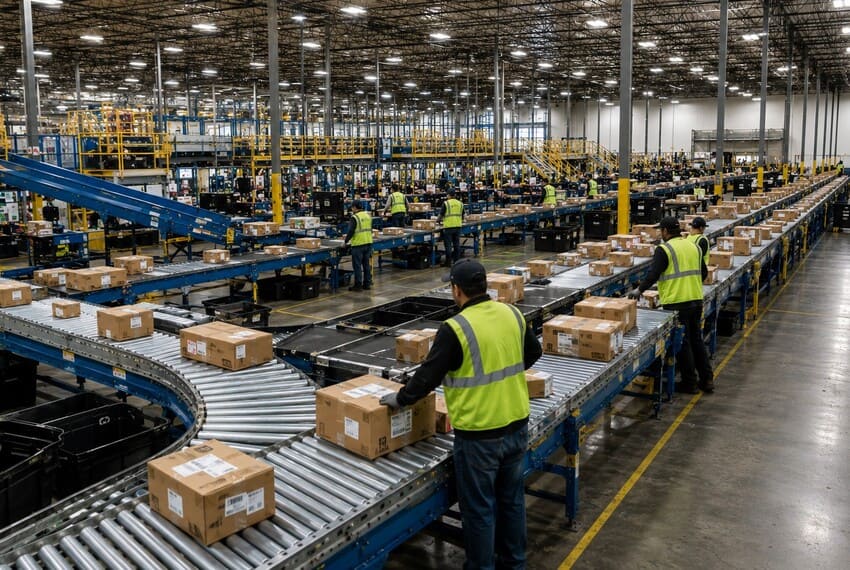
Retail fulfillment goes a step further, covering the specific activities of picking, packing, and shipping orders to their final destination. For direct-to-consumer brands, fulfillment speed and accuracy are competitive advantages. Customers who receive the wrong item or experience a three-week delivery window rarely come back.
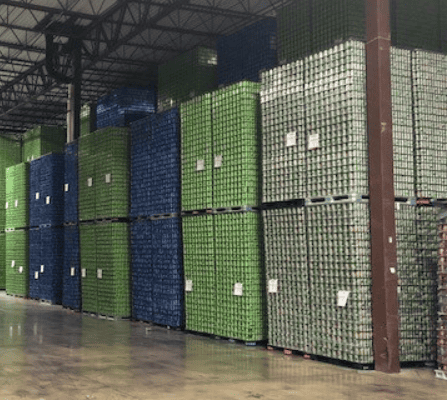
The retail warehouse sits at the center of this logistics network. It is where inventory is stored, sorted, consolidated, and distributed. A well-run warehouse, equipped with the right technology and staffed by trained workers, dramatically improves fill rates and reduces order errors.
Buske Logistics operates more than 40 facilities across the U.S. and Canada. That scale gives retail clients access to infrastructure they could not realistically build on their own, without the capital expenditure.
Operations management in retail stores is the practice of organizing people, technology, and processes to deliver consistent results. It requires a mix of systems thinking, real-time problem-solving, and disciplined performance management.
Strong operations managers track several key performance indicators simultaneously:
The National Retail Federation (NRF) highlights inventory management, labor availability, and operational efficiency as significant challenges for retailers. Addressing these pressures increasingly requires investment in people, processes, and technology, as well as supply chain strategies that improve efficiency and reduce complexity.
The difference between a retailer that thrives and one that struggles often comes down to strategy. Here are the approaches that consistently produce results:
Retailers that operate multiple channels, physical stores, e-commerce, and wholesale, need a single view of inventory. Without it, you end up with stockouts in one channel while another sits on excess inventory.
Technology like a Warehouse Management System (WMS) or Order Management System (OMS) creates that unified view.
Customers expect to buy wherever they are: in-store, online, through an app, or via a third-party marketplace. Omnichannel logistics connects these channels so inventory flows efficiently regardless of where the sale happens. Retailers who master this gain a meaningful competitive edge.
Disruptions happen. Carrier delays, port congestion, weather events, and demand spikes are all part of the retail reality. Retailers with flexible supply chains, multiple carrier options, backup suppliers, and distributed inventory, recover faster and lose less revenue when disruptions hit.
Managing logistics in-house is expensive and complex. Partnering with a 3PL that has deep retail experience allows brands to scale faster, reduce costs, and access specialized capabilities like automotive sequencing, value-added logistics, and contract warehousing.
Brands like Diageo and Stellantis have trusted Buske Logistics precisely because Buske brings over a century of operational know-how to the table.
In multi-location retail, consistency is everything. Standard operating procedures (SOPs) for receiving, stocking, customer service, and loss prevention reduce variability and make training new staff faster and more effective.
Putting strategy into practice requires discipline and attention to detail. These are the habits that top-performing retailers build into their operations:
According to research from MIT’s Center for Transportation and Logistics, greater supply chain visibility and cross-functional collaboration can improve service performance, operational efficiency, and cost management.
If you are managing complex retail supply chains and finding it harder to keep up with customer expectations, rising freight costs, and inventory challenges, you do not have to solve it alone. Buske Logistics has spent over 100 years building the infrastructure, expertise, and partnerships that leading retail brands count on every single day.
Whether you need contract warehousing, retail fulfillment, freight management, or a fully integrated 3PL solution, Buske has the scale and the experience to deliver. With 40+ facilities across North America, we are positioned to support your growth right now.
Contact our team today and tell us about your retail logistics challenges. We will put together a solution tailored to your specific needs, your volumes, your timelines, and your growth goals.
Running a retail supply chain at scale is one of the most demanding operational challenges in business today. Customer expectations are higher, margins are tighter, and logistics mistakes impact sales and reviews. You need a partner who has already solved these problems for some of the largest brands in North America.
Buske Logistics is a top 20 private 3PL company with over 100 years of experience supporting Fortune 500 and Fortune 1,000 clients, including PepsiCo, Diageo, Molson Coors, and Stellantis. With 40+ facilities across the U.S. and Canada, we have the infrastructure to meet you where you are and grow with you.
Contact Buske Logistics right now and tell us what you are working on. A member of our team will follow up to discuss a customized 3PL solution built around your retail operations needs.
Retail operations refers to all the processes, systems, and activities that keep a retail business functioning day to day. This includes inventory management, warehousing, order fulfillment, transportation, staffing, and customer service. It covers the journey from supplier to customer, whether through a physical store or direct delivery. Think of it as the engine powering the retail experience.
Store operations refers specifically to the management and execution of activities within a physical retail location, while retail operations covers the entire retail business system.
Store operations includes staff scheduling, visual merchandising, cash handling, loss prevention, and brand standards. Retail operations extends to supply chain, logistics, warehousing, and fulfillment. Disruptions in retail operations, such as warehouse delays, can directly impact store performance.
Outsourcing to a qualified 3PL gives retailers access to established infrastructure, specialized expertise, and scalable capacity without the capital investment required to build those capabilities in-house.
Buske Logistics brings over 100 years of experience and 40+ of warehousing and distribution space across North America. For growing brands and large enterprises, this means faster onboarding, lower fixed costs, and flexible capacity that scales with demand.
The most common challenges include inventory inaccuracy, labor management, omnichannel fulfillment complexity, supplier reliability, and rising transportation costs. Inventory inaccuracy can cause stockouts, customer dissatisfaction, and excess costs, making cycle counts and real-time WMS data essential.
Labor management becomes harder during peak seasons like Q4, while omnichannel fulfillment requires inventory to support both store replenishment and direct-to-consumer orders. A reliable logistics partner helps manage this complexity so your team can focus on the customer experience.
Logistics is the operational backbone of retail, responsible for moving inventory through the supply chain efficiently and getting the right product to the right place at the right time. Without strong logistics, even the best retail strategy falls apart.
Freight management, warehousing, fulfillment accuracy, and carrier performance directly affect inventory availability, order lead times, and customer satisfaction. Partnering with a retail-experienced 3PL helps retailers improve performance and close logistics gaps quickly.
Retailers who treat operations as an afterthought pay for it in stockouts, slow fulfillment, unhappy customers, and shrinking margins. Those who invest in the right processes, the right technology, and the right logistics partners consistently outperform.
Buske Logistics is ready to be that partner. With a century-plus of experience, Fortune 500 clients who trust us with their most complex supply chains, and a network that spans the U.S. and Canada, we bring real operational horsepower to every engagement.
Reach out today and let us help you build retail operations that scale.

Buske Logistics is a Top 20 Private Warehousing 3PL. Let's build a solution for your supply chain.