.png)
-p-130x130q80.png)
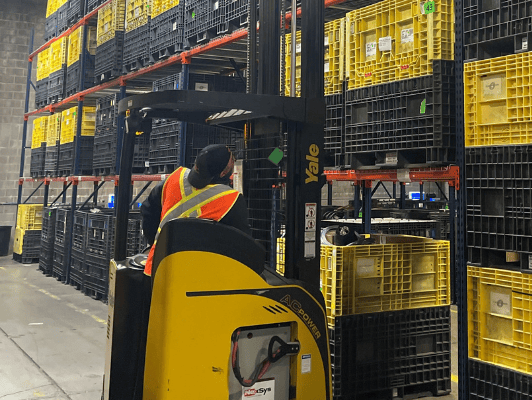
A warehouse audit is one of the most effective ways to identify safety risks, operational inefficiencies, and compliance gaps before they impact productivity, employee safety, or customer satisfaction. Whether you're an operations manager, warehouse supervisor, or safety and compliance leader, conducting regular audits helps you maintain accurate inventory, improve workflows, and keep your facility operating at its best.
At Buske Logistics, we've spent more than 100 years helping manufacturers, retailers, and consumer brands optimize warehouse management across North America. From inventory management and order fulfillment to warehouse safety and operational efficiency, we've seen firsthand how structured warehouse audits help businesses reduce risk, improve accuracy, and uncover opportunities for continuous improvement.
In this guide, you'll learn the different types of warehouse audits, how to conduct one effectively, and how to use a practical warehouse audit checklist to keep your operations running safely and efficiently.
A warehouse audit is a systematic review of your warehouse's operations, processes, equipment, and physical conditions to identify safety risks, operational inefficiencies, inventory issues, and compliance gaps. Its purpose is to help you improve warehouse performance, reduce risk, and ensure your facility operates safely and efficiently.
Warehouse audits are typically conducted on a recurring basis—monthly, quarterly, or annually—depending on the type of audit, regulatory requirements, and your organization's operational risk.
Unlike a routine warehouse inspection that may focus on a single area, a warehouse audit takes a broader view of your operation. It evaluates whether your warehouse processes are consistently meeting internal standards, regulatory requirements, and business objectives.
Depending on your goals, a warehouse audit may assess:
By reviewing these areas regularly, you can identify issues before they become costly problems, prioritize corrective actions, and build a culture of continuous improvement across your warehouse operations.
Regular warehouse audits help you identify problems early, improve operational efficiency, strengthen workplace safety, and maintain compliance before small issues become costly disruptions. Rather than reacting to accidents, inventory discrepancies, or failed inspections, you can take a proactive approach to improving warehouse performance.
A well-executed warehouse audit can help your operation:
At Buske Logistics, regular warehouse audits are part of a continuous improvement mindset. By consistently evaluating warehouse operations, businesses can make data-driven decisions that improve safety, productivity, and overall supply chain performance.
There are several types of warehouse audits, each designed to evaluate a specific aspect of warehouse operations. While some audits focus on employee safety or regulatory compliance, others assess workplace organization, inventory accuracy, and operational performance. Together, these audits provide a comprehensive view of your warehouse's health and help identify opportunities for continuous improvement.
A warehouse safety audit evaluates whether your facility provides a safe working environment by identifying hazards, verifying safety procedures, and ensuring equipment is properly maintained. Regular safety audits help reduce workplace incidents while supporting compliance with internal safety standards and applicable regulations.
A warehouse safety audit typically reviews:
Rather than waiting for an accident to expose a safety issue, regular audits allow you to identify risks early and implement corrective actions before they affect employees or operations.
A warehouse 5S audit measures how well your facility follows the five principles of the 5S methodology: Sort, Set in Order, Shine, Standardize, and Sustain. It helps maintain an organized, efficient, and visually controlled workplace that supports productivity and safety.
A typical warehouse 5S audit checklist evaluates whether:
A well-executed 5S program improves workflow efficiency, reduces wasted motion, and makes it easier for employees to identify abnormalities before they become larger operational problems.
A warehouse compliance audit verifies that your warehouse meets applicable regulatory requirements, industry standards, and internal policies. These audits help reduce legal and operational risks while ensuring documentation, processes, and workplace practices remain compliant.
A compliance audit may review:
Maintaining complete records and consistently following documented procedures helps your warehouse remain prepared for both internal reviews and external regulatory inspections.
An operational or process audit evaluates how efficiently your warehouse performs day-to-day activities, including receiving, putaway, storage, inventory management, order picking, packing, and shipping. The goal is to identify process inefficiencies, reduce errors, and improve overall warehouse performance.
Operational audits commonly assess:
These audits often uncover opportunities to improve warehouse layouts, streamline workflows, reduce inventory discrepancies, and increase order fulfillment accuracy. They also provide valuable insights that support continuous improvement initiatives across your warehouse operations.
A warehouse audit checklist helps you evaluate your facility consistently by ensuring every critical area is reviewed during each audit. Organizing your checklist by audit type makes it easier to identify risks, document findings, and prioritize corrective actions before they affect safety, compliance, or operational performance.
While every warehouse has unique requirements, the following checklist provides a practical starting point for conducting comprehensive warehouse audits.
A standardized checklist helps ensure warehouse audits remain consistent regardless of who performs them. It also creates a documented record that makes it easier to monitor trends, track corrective actions, and demonstrate continuous improvement over time.
Tip: If you conduct warehouse audits regularly, consider creating a downloadable warehouse audit checklist PDF that your team can use during walkthroughs. A standardized template improves consistency across every audit and simplifies documentation for future reviews.
To conduct a warehouse audit, define the audit scope, prepare a checklist, inspect the warehouse, document findings, and create a corrective action plan. Following a structured process helps ensure every audit is consistent, actionable, and focused on continuous improvement rather than simply identifying problems.
Start by determining what you want to evaluate. Your audit may focus on warehouse safety, 5S practices, regulatory compliance, operational performance, or a combination of these areas. Clearly defining the scope helps ensure the audit remains focused and relevant.
Choose or customize a warehouse audit checklist based on the type of audit you're conducting. A standardized checklist helps ensure each audit follows the same criteria, making it easier to compare results over time.
Plan the audit in advance and communicate the schedule to warehouse supervisors, department managers, and other stakeholders. This ensures the right personnel are available to answer questions, provide documentation, and support the audit process.
Inspect the warehouse systematically, reviewing equipment, storage areas, inventory, workflows, safety practices, and documentation. Record observations with notes and photos whenever appropriate to support your findings.
Record every observation and classify issues based on their severity or potential impact. Many organizations use a simple pass/fail system or assign priority levels to help determine which findings require immediate attention.
Prepare a summary of the audit findings and share it with warehouse leadership and relevant departments. Highlight key risks, recurring issues, and opportunities for operational improvement to support informed decision-making.
Assign responsibilities, establish deadlines, and outline the steps needed to address each finding. Tracking corrective actions helps ensure identified issues are resolved rather than repeated during future audits.
A warehouse audit should be part of an ongoing continuous improvement process. Schedule your next audit to verify corrective actions have been completed, measure progress, and identify new opportunities to improve warehouse safety, compliance, and operational efficiency.
By following a consistent audit process, you can move beyond simply identifying issues and create a culture of accountability and continuous improvement across your warehouse operations.
Warehouse audits often uncover recurring issues that affect safety, compliance, inventory accuracy, and operational efficiency. Identifying these findings is only the first step - the real value comes from addressing the root cause and preventing the same issues from happening again.
Most audit findings are symptoms of larger process issues rather than isolated incidents. By tracking recurring findings over time, you can identify trends, prioritize corrective actions, and continuously improve warehouse performance instead of repeatedly addressing the same problems.
The ideal warehouse audit frequency depends on the type of audit, your operational risks, and any applicable regulatory requirements. While some audits should be performed weekly or monthly, others are conducted quarterly or annually to verify long-term compliance and operational performance.
As a general guideline:
Rather than treating audits as one-time events, incorporate them into your regular warehouse management strategy. Consistent audits help you identify trends, verify that corrective actions have been implemented, and continuously improve safety, compliance, and operational efficiency over time.
A warehouse audit is a systematic review of warehouse operations, processes, equipment, and physical conditions to identify safety risks, operational inefficiencies, inventory issues, and compliance gaps. Regular audits help businesses improve warehouse performance, maintain compliance, and support continuous improvement.
The most common types of warehouse audits include warehouse safety audits, 5S audits, compliance audits, and operational or process audits. Each audit focuses on a different aspect of warehouse performance, from workplace safety and organization to regulatory compliance and operational efficiency.
A warehouse audit checklist should include safety inspections, 5S workplace organization checks, compliance requirements, and operational reviews. Common items include emergency exits, fire equipment, PPE compliance, inventory accuracy, equipment maintenance records, labeling, and workflow efficiency.
A warehouse 5S audit evaluates how well a facility follows the five principles of the 5S methodology: Sort, Set in Order, Shine, Standardize, and Sustain. Regular 5S audits help improve workplace organization, reduce waste, and create a safer, more efficient warehouse.
To conduct a warehouse audit, define the audit scope, select the appropriate checklist, schedule the audit, perform a physical walkthrough, document findings, prioritize corrective actions, and follow up to ensure identified issues have been resolved.
Audit frequency depends on the type of audit and your operational requirements. Safety audits are often conducted monthly or quarterly, 5S audits are typically performed weekly or monthly, compliance audits may be annual or tied to regulatory requirements, and operational audits are commonly completed on a monthly or quarterly basis.
Regular warehouse audits help you identify safety risks, improve operational efficiency, strengthen compliance, and maintain accurate inventory before small issues become costly disruptions. By conducting audits consistently and acting on the findings, you can build safer, more efficient warehouse operations while supporting long-term business performance.
At Buske Logistics, we help businesses optimize warehouse operations through proven inventory management, warehousing, and supply chain solutions. Explore our Warehouse Management guide to learn how we can help you improve operational performance, strengthen compliance, and support continuous improvement across your warehouse network.

Buske Logistics is a Top 20 Private Warehousing 3PL. Let's build a solution for your supply chain.


