.png)
-p-130x130q80.png)

Every business depends on logistics. Whether you’re manufacturing products, distributing inventory, managing retail operations, or fulfilling e-commerce orders, how efficiently you move goods directly impacts delivery performance, operational costs, and long-term growth.
When logistics operations break down, you may experience shipping delays, inventory shortages, rising transportation costs, poor warehouse efficiency, customer complaints, and even lost revenue. These challenges can quickly disrupt your entire supply chain and affect your bottom line.
That’s why logistics services are more important than ever. Today, businesses across North America rely on experienced third-party logistics providers to improve supply chain performance, reduce operational complexity, and support scalable growth.
At Buske Logistics, we’ve spent more than 100 years helping businesses optimize warehousing, transportation, fulfillment, and distribution operations. Leading brands like PepsiCo, Diageo, Ford, Stellantis, Starbucks, Lexus, and Kikkoman trust Buske Logistics to manage complex logistics operations with accuracy, efficiency, and scalability.
In this guide, you’ll learn:
Logistics services involve the planning, coordination, and execution of the movement, storage, and distribution of products throughout the supply chain. These services help businesses ensure that goods are delivered efficiently, accurately, and on time. They typically coordinate:
The main goal of logistics services is to ensure your products move efficiently from manufacturers to warehouses, retailers, distributors, or directly to your customers. When your logistics are well-managed, you can improve speed, accuracy, and reliability across your entire supply chain.
Modern logistics operations may include 3PL logistics services, integrated logistics services, logistics management services, as well as international, national, and global logistics support. By working with the right provider, you can streamline operations, improve efficiency, and reduce overall operational costs regardless of your business size.
To learn more about logistics and supply chain operations, you can read our logistics guide here: What Is Logistics Guide
Logistics plays a direct role in your business performance, influencing delivery speed, inventory accuracy, transportation costs, supply chain visibility, and overall profitability. When your logistics operations run efficiently, you’re better equipped to meet customer expectations, respond quickly to demand, reduce errors, and maintain better control across your supply chain.
As customer expectations continue to rise, you need logistics operations that are fast, flexible, and scalable. With the right systems and support in place, you can consistently deliver better service, improve efficiency, and stay competitive in a rapidly changing market.
Without efficient logistics services, companies may struggle with:
The right logistics strategy helps businesses stay competitive while improving operational performance. According to the U.S. Bureau of Transportation Statistics (BTS), freight movement and supply chain demand have continued to grow over time, with national freight data showing increasing volumes across key transport modes, making logistics efficiency increasingly important for supply chain performance.
Logistics services coordinate the movement and management of products across the supply chain, ensuring goods flow efficiently from suppliers to customers. A logistics provider typically manages several key operational stages, including:
Modern logistics providers rely on advanced technology and integrated operational systems to enhance every stage of your supply chain. This includes improving inventory visibility, enabling real-time shipment tracking, increasing warehouse efficiency, strengthening delivery performance, and delivering more accurate supply chain reporting.
Ultimately, the goal is to create a seamless and cost-effective flow of goods from origin to destination, helping you operate more efficiently, reduce costs, and maintain better control over your logistics network.
There are many different types of logistics services designed to support specific supply chain and operational needs. Understanding these services helps businesses choose the right logistics strategy to improve efficiency, reduce costs, and scale effectively.
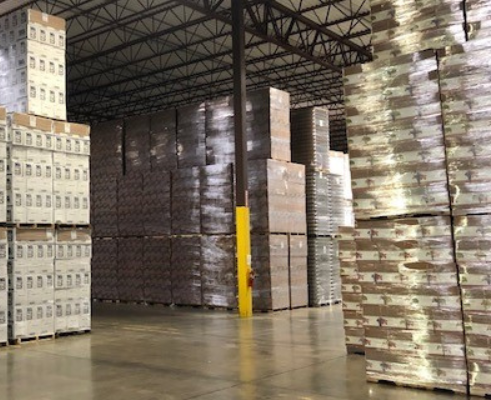
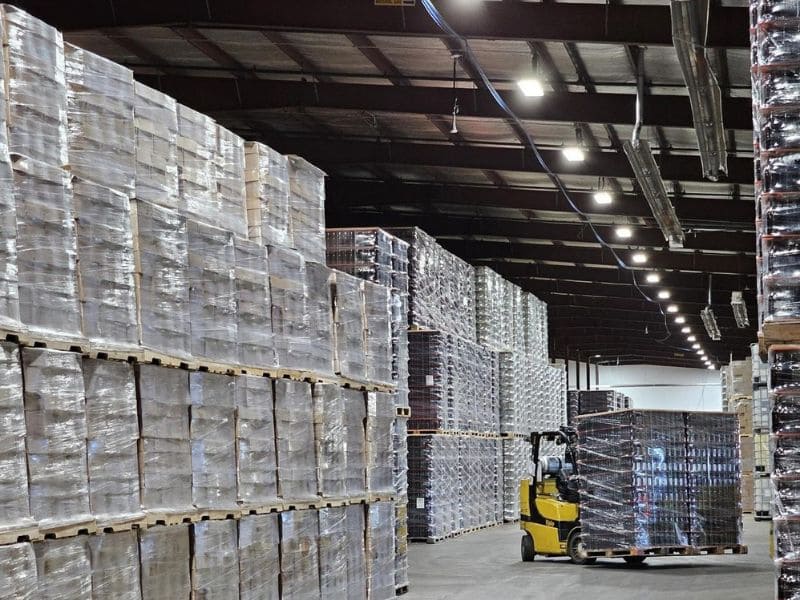
Warehousing is one of the core components of logistics services, providing the infrastructure needed to store, manage, and prepare goods for distribution. Efficient warehousing operations help businesses maintain inventory accuracy and streamline order fulfillment.
Warehousing operations involve:
Modern warehouses do far more than simply store inventory. Today’s logistics warehouses are designed to improve inventory accuracy, speed up fulfillment, enhance transportation efficiency, and ensure retail compliance across the supply chain.
To keep up with growing demand and operational complexity, many businesses choose to outsource warehousing services. This helps reduce overhead costs, improve scalability, and give companies access to advanced systems and infrastructure without the need for heavy internal investment.
→ Learn more about our solutions: Contract Logistics Services
Transportation services focus on the efficient movement of goods between warehouses, distribution centers, retailers, and end customers. These services ensure timely delivery while optimizing cost and route efficiency. These services may include:
Transportation management helps your business reduce freight costs, improve delivery speed, increase shipment visibility, and strengthen carrier coordination across your supply chain. With better control over how goods move from point A to point B, you can improve efficiency while keeping transportation expenses under control.
As highlighted by the U.S. Department of Transportation, strong transportation infrastructure is a key factor in overall supply chain performance. When your transportation strategy is well managed, it directly supports more reliable deliveries, better customer service, and a more resilient logistics network.
Fulfillment services focus on processing and shipping customer orders accurately, efficiently, and on time. These services are essential for ensuring a smooth customer experience and maintaining high satisfaction levels. This includes:
Fast and accurate fulfillment is essential for meeting customer expectations, strengthening brand reputation, and building long-term customer loyalty.
Inventory management services help businesses maintain accurate stock levels across warehouses and distribution centers, ensuring products are available when and where they are needed. These services are essential for reducing stock issues and improving overall supply chain performance.
These services improve:
Modern warehouse management systems provide real-time inventory tracking and operational reporting.
Inbound logistics focuses on the efficient movement of materials and products into your warehouses or manufacturing facilities. It plays a key role in keeping your operations running smoothly and ensuring you always have the right inventory available when you need it.
Your inbound logistics operations typically include supplier coordination, freight scheduling, inventory receiving, and production support. When these processes are well-managed, you can reduce delays, improve accuracy, and maintain a steady and reliable inventory flow across your supply chain.
→ Learn more in our guide: Inbound Logistics Guide
Food logistics requires highly specialized warehousing, transportation, and inventory handling processes to ensure product safety and quality from origin to final delivery. These operations must consistently support food safety compliance, product traceability, temperature control, and strict inventory rotation practices.
When properly managed, food logistics helps you reduce risk, maintain regulatory compliance, and protect product integrity throughout the supply chain. The U.S. Food and Drug Administration (FDA) also sets strict standards for food storage and transportation, reinforcing the importance of compliance in every stage of food logistics operations.
→ Explore our food logistics solutions: Food Logistics Services
→ Learn more from the FDA: U.S. FDA Food Safety
Automotive logistics services support the complex and highly coordinated supply chains required in the automotive industry. These operations demand precise timing, inventory accuracy, and seamless coordination between manufacturers, suppliers, and distribution networks.
These services often support:
→ Explore our automotive logistics solutions: Automotive Logistics Services
Industrial supply chains often require customized warehousing and transportation solutions to handle complex, large-scale operations efficiently. Industrial logistics services are designed to support businesses that manage heavy, high-volume, or specialized materials.
These services support:
→ Learn more about our solutions: Industrial Logistics Solutions
Global logistics services help you manage the complexity of international supply chains with greater efficiency and control. These services typically include customs coordination, international freight management, import and export logistics, and cross-border transportation.
For businesses operating across multiple countries or sourcing products globally, international logistics is essential to maintaining smooth operations, ensuring compliance with trade regulations, and keeping goods moving efficiently across borders.
Integrated logistics services bring multiple supply chain functions together under a single, coordinated system. Instead of working with separate providers for different parts of the supply chain, businesses streamline operations through one unified logistics solution.
This typically includes:
When you work with a single logistics partner to oversee your entire supply chain, you benefit from a more streamlined and coordinated operation. Integrated logistics services improve operational visibility, strengthen communication, increase efficiency, and give you better control over costs.
This approach also simplifies your day-to-day logistics management by reducing operational silos, helping you maintain a more connected, efficient, and transparent supply chain from end to end.
Many businesses today choose to outsource logistics services to improve efficiency, reduce costs, and focus more on core operations. Partnering with a logistics provider can strengthen overall supply chain performance and scalability. Here are the biggest advantages:
When you build your own logistics infrastructure, the costs can quickly add up. You’re responsible for investing in warehouses, hiring and managing labor, maintaining transportation assets, implementing technology systems, and purchasing equipment, all of which require significant capital and ongoing operational spend.
By outsourcing to logistics services, you can reduce these overhead costs while still gaining access to a fully established and optimized logistics network. This allows you to operate more efficiently, control expenses better, and allocate more resources toward growing your core business.
As your business grows, your logistics requirements naturally become more complex and demanding. Third-party logistics services give you the flexibility to adapt quickly and efficiently to these changes, whether you’re managing seasonal demand spikes, launching new products, expanding into new markets, or handling increased order volumes.
With the right logistics partner, you can scale your operations up or down without the need to continuously invest in or expand internal infrastructure. This allows you to stay agile, meet customer demand more effectively, and support long-term business growth with greater ease.
Today’s consumers and retail partners expect fast, reliable delivery, and meeting those expectations is critical to your success. A strong logistics partner helps you improve delivery speed by optimizing inventory positioning, coordinating transportation more effectively, and strengthening regional distribution capabilities.
With strategically located warehouses, you can also reduce shipping times and lower freight expenses, ensuring your products reach customers faster and more efficiently while keeping your logistics costs under control.
Inventory mistakes can create serious operational challenges for your business. With advanced logistics management services, you gain access to real-time inventory tracking, detailed reporting dashboards, end-to-end shipment visibility, and actionable operational analytics.
This level of transparency helps you make faster, more informed decisions, improves overall supply chain performance, and significantly reduces the risk of costly inventory errors and inefficiencies.
When you partner with an experienced logistics provider, you gain access to deep industry knowledge and a clear understanding of sector-specific challenges and compliance requirements. This expertise allows you to strengthen operational efficiency, maintain regulatory compliance, improve inventory handling, and enhance distribution accuracy.
With the right partner supporting your supply chain, you can reduce errors, streamline processes, and ensure your logistics operations consistently meet industry standards and customer expectations.
At Buske Logistics, we support industries including:
Businesses often face the decision of whether to outsource logistics services or manage operations internally. The right choice depends on your operational needs, resources, and long-term growth strategy.
Key factors to consider include:
In-house logistics may work for smaller operations, but as your business grows, you’ll often find greater value in third-party logistics services. These providers give you the scalability, advanced technology, established warehouse infrastructure, transportation networks, and operational expertise needed to support more complex supply chain demands.
By outsourcing your logistics, you can shift your focus to what matters most in growing your business, strengthening sales, improving product development, building customer relationships, and driving long-term strategic growth.
Businesses searching for logistics services nearby or third party logistics services should evaluate providers carefully. The best logistics companies should offer a comprehensive range of services that support end-to-end supply chain efficiency.
A reliable logistics provider should operate as an extension of your business, not just a warehouse vendor.
→ Learn more in our guide: Logistics Service Provider Guide
→ You can also explore: Third-Party Logistics (3PL) Process
At Buske Logistics, we help businesses improve supply chain performance with customized logistics solutions across North America. With more than 100 years of logistics experience, we provide scalable support for:
Leading brands trust Buske Logistics because we deliver:
Companies including PepsiCo, Diageo, Ford, Stellantis, Starbucks, Lexus, and Kikkoman rely on Buske Logistics to support their complex logistics operations across North America. Unlike many logistics providers, we focus on long-term operational partnerships designed around your business goals.
Selecting the right logistics services provider can have a major impact on your operational efficiency, cost structure, and overall business performance. The right partner helps streamline your supply chain and supports long-term growth. Here are the most important factors to evaluate.
When selecting a logistics provider, it’s important to choose one that understands your specific industry. This experience allows your provider to anticipate challenges, follow relevant regulations, and apply best practices tailored to your operations.
With the right industry expertise, you benefit from stronger compliance management, more accurate inventory handling, smoother transportation coordination, and improved overall supply chain efficiency. A provider who already understands your sector can help you avoid common pitfalls and deliver more consistent, reliable performance.
Modern logistics operations rely heavily on real-time visibility to keep your supply chain running efficiently. When evaluating a provider, you should look for strong technology capabilities that give you full control and transparency over your inventory and shipments.
This includes access to a Warehouse Management System (WMS), accurate inventory tracking tools, end-to-end shipment visibility, and detailed reporting and analytics. With these systems in place, you can make faster, more informed decisions, reduce errors, and maintain a clearer view of your overall supply chain performance.
When choosing a logistics provider, you need to be confident that they can grow with your business. As your operations expand, your provider should be able to handle higher inventory volumes, support multi-location distribution, manage seasonal demand spikes, and accommodate geographic expansion without disrupting performance.
Scalability ensures your supply chain remains stable and efficient even as demand changes. With the right partner, you can scale operations smoothly, maintain service levels, and continue meeting customer expectations as your business grows.
A well-planned warehouse network plays a major role in improving your overall supply chain performance. When your inventory is strategically positioned, you can significantly enhance delivery speed, improve freight efficiency, and optimize inventory placement to better match customer demand.
That’s why national logistics providers often locate facilities near key ports, major transportation hubs, manufacturing regions, and high-demand customer markets. This strategic positioning helps you reduce transit times, lower transportation costs, and ensure faster, more reliable fulfillment across your network.
Communication is critical in logistics, where delays or disruptions can impact the entire supply chain. Choosing a provider with strong support ensures smoother operations and faster issue resolution.
Look for a logistics partner that offers proactive operational support and responsive account management.
The logistics industry continues to evolve rapidly as technology and sustainability reshape global supply chains. Key trends driving the future include:
Businesses that invest in modern logistics operations will be better positioned to reduce costs, improve efficiency, and deliver a more reliable customer experience. The Council of Supply Chain Management Professionals (CSCMP) highlights how supply chain resilience and technology adoption are becoming top priorities across industries.
If you’re looking for a trusted logistics partner across North America, we’re here to support your business. At Buske Logistics, we provide customized logistics solutions designed to improve your supply chain efficiency, inventory visibility, distribution performance, operational scalability, and overall customer satisfaction.
Whether you need contract logistics, food logistics, automotive logistics, industrial logistics, integrated logistics services, transportation coordination, or warehousing support, we can build a solution tailored to your goals and operational requirements. Our team works closely with you to design a logistics strategy that strengthens performance across your entire supply chain.
Contact Buske Logistics today.
Logistics services involve the planning, execution, and management of the storage, transportation, inventory control, fulfillment, and distribution of goods throughout the supply chain. These services ensure products move efficiently from manufacturers to end customers while maintaining accuracy, speed, and cost-effectiveness.
3PL logistics services refer to outsourced supply chain operations managed by a third-party provider, including warehousing, transportation, order fulfillment, inventory management, and distribution. Partnering with a 3PL helps businesses improve scalability, reduce operational costs, and leverage logistics expertise without managing the entire supply chain in-house.
Businesses outsource logistics services to reduce overhead costs, improve operational efficiency, access advanced logistics technology, and scale their supply chain more easily. Outsourcing also allows companies to focus on core operations like product development, sales, and customer service while improving delivery performance and inventory management.
Integrated logistics services combine warehousing, transportation, fulfillment, inventory management, and distribution into a single, coordinated supply chain solution. This unified approach improves visibility, reduces delays, enhances efficiency, and ensures smoother coordination across all logistics functions.
Industries that benefit from professional logistics services include food and beverage, automotive, retail, manufacturing, industrial, pharmaceuticals, e-commerce, and consumer packaged goods (CPG). These industries rely on efficient supply chain operations to manage inventory, meet customer demand, and maintain consistent product availability.
When choosing a logistics services provider, businesses should look for industry expertise, advanced technology systems, a strong warehouse and distribution network, scalable solutions, integrated transportation capabilities, and responsive customer support. These factors ensure reliable performance, operational flexibility, and the ability to support long-term supply chain growth and efficiency.
Buske Logistics is a trusted logistics provider with over 100 years of experience delivering warehousing, transportation, fulfillment, and supply chain solutions across North America. Our long-standing expertise, combined with advanced logistics technology and scalable infrastructure, allows us to help businesses improve efficiency, reduce costs, and build more resilient and reliable supply chains.

Buske Logistics is a Top 20 Private Warehousing 3PL. Let's build a solution for your supply chain.