.png)
-p-130x130q80.png)
Custom packaging is packaging specifically designed, assembled, labeled, or modified to meet a company's branding, product protection, retail, compliance, or distribution requirements. Unlike generic packaging materials, custom packaging is tailored to fit a specific product, customer experience, or supply chain objective. It influences customer perception, reduces shipping damage, improves operational efficiency, and strengthens brand identity throughout the supply chain.
Whether you're shipping directly to consumers, supplying retailers, managing promotional campaigns, or launching new products, custom packaging can help your business stand out while improving logistics performance.
Many companies initially view packaging as a simple shipping requirement. However, leading brands understand that customized packaging is a strategic advantage that impacts customer experience, transportation costs, warehouse efficiency, and retail readiness.
At Buske Logistics, we've spent more than 100 years helping companies optimize supply chains, warehousing, fulfillment, and value-added logistics services, including custom packaging and repackaging solutions. Our team supports businesses across the United States and Canada with scalable packaging programs designed to meet operational and customer requirements.
In this guide, you'll learn:
Custom packaging is packaging specifically designed, assembled, labeled, or modified to meet a company's branding, product protection, retail, compliance, or distribution requirements. Unlike generic packaging materials, custom packaging is tailored to fit a specific product, customer experience, retail program, or supply chain objective.
Custom packaging can include:
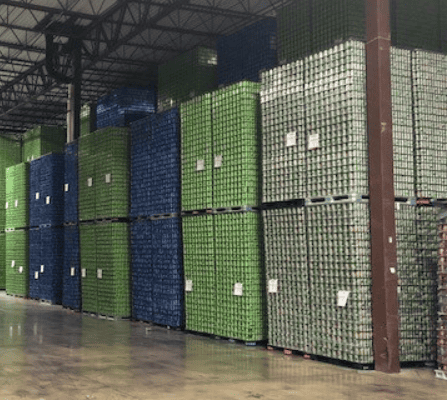
For example, a beverage manufacturer may require retail-ready displays for store shelves, while an ecommerce company may need branded packaging that creates a memorable unboxing experience.
In both cases, customized packaging serves a purpose beyond simply holding the product.
Custom packaging is much more than a way to protect your products, it can have a direct impact on your brand, operations, and bottom line. By investing in the right packaging solution, you can make your brand more recognizable, reduce the risk of product damage during storage and transit, and create a better experience for your customers from the moment they receive their order.
Custom packaging can also help you meet retailer requirements, improve efficiency throughout your warehouse operations, and lower shipping costs by optimizing package sizes and materials. At the same time, it gives your business a way to stand out from competitors, encouraging repeat purchases and strengthening customer loyalty.
These advantages are why custom packaging has become an essential component of modern supply chain, warehousing, and fulfillment strategies.
Custom packaging is a structured process that begins with understanding your product requirements and ends with packaging that is ready for storage, distribution, or retail display. The goal is to create packaging that protects your products, supports your brand, and fits your operational needs.
The custom packaging process typically involves several stages:
The first step in the custom packaging process is evaluating your product's specific requirements. Understanding how your product will be stored, handled, shipped, and displayed helps ensure the packaging is both functional and cost-effective.
During the assessment stage, key factors include:
This evaluation helps determine the most appropriate packaging materials, design features, and protective elements for your products.
For example, a packaging solution designed for food products may not be suitable for automotive components, while ecommerce shipments often require different protection and presentation considerations than products intended for retail shelves. By assessing these requirements upfront, you can develop packaging that supports both product protection and operational efficiency.
Once your product requirements have been assessed, the next step is designing packaging that balances protection, functionality, branding, and cost efficiency.
The custom packaging design stage focuses on:
During this phase, businesses often evaluate multiple packaging concepts to determine which solution best meets their operational, retail, and customer requirements. Factors such as shipping conditions, storage needs, product presentation, and environmental impact all play a role in the final design.
A well-designed package not only protects your product but also supports brand recognition, improves handling efficiency, and enhances the overall customer experience.
After the packaging design is finalized, the next step is selecting the materials that will provide the right balance of protection, functionality, cost, and sustainability. Common packaging materials include:
The best material choice depends on your product's unique requirements, including weight, fragility, storage conditions, transportation needs, and retail presentation. Customer expectations and sustainability goals may also influence material selection.
Choosing the right materials helps ensure your products are protected throughout the supply chain while supporting operational efficiency, brand objectives, and environmental initiatives where applicable.
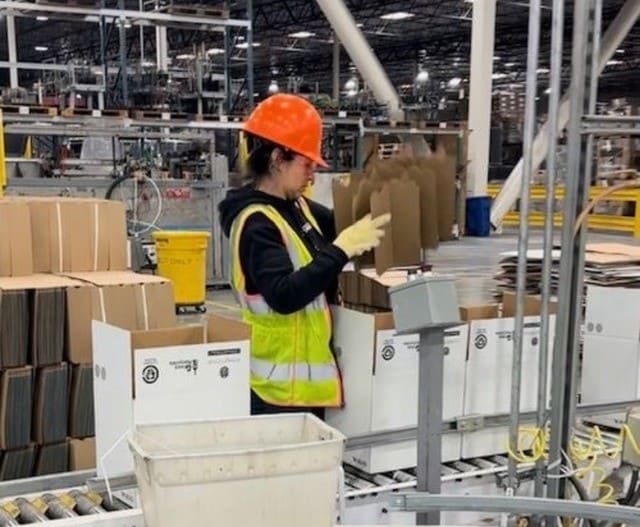
Once the design and materials have been approved, the packaging production phase begins. During this stage, packaging components are manufactured according to the finalized specifications to ensure consistency, quality, and performance.
Packaging production may involve:
Each step is carefully managed to ensure the packaging meets branding, functional, and quality requirements. Consistent production standards help maintain product protection, support efficient packaging operations, and ensure a uniform presentation across all products and distribution channels.
Many businesses partner with a 3PL provider to manage packaging execution as part of a broader logistics strategy. Outsourcing these activities can help improve efficiency, reduce labor demands, and ensure packaging projects are completed consistently and at scale.
Common value-added packaging services include:
At Buske Logistics, these services are offered through our custom packaging and value-added logistics programs, helping businesses streamline operations while preparing products for retail distribution, ecommerce fulfillment, and promotional initiatives.
The final stage of the custom packaging process is distribution and fulfillment. Once products are packaged and ready for shipment, they are stored, managed, and distributed through the supply chain to retailers, distribution centers, or end customers.
When custom packaging is integrated with your warehousing and fulfillment operations, it can help:
By aligning packaging with fulfillment processes, your business can create a more efficient operation from inventory storage through final delivery.
Learn more about how packaging supports the broader fulfillment process: Order Fulfillment Process and Strategy Guide
Not all custom packaging serves the same purpose. The right solution depends on your product, distribution channel, branding objectives, and supply chain requirements.
Below are some of the most common types of custom packaging solutions:
Custom packaging boxes are one of the most popular and versatile packaging solutions available. They can be designed specifically to fit your product dimensions, helping to minimize movement during transit and provide better protection.
You can also incorporate your branding directly onto the packaging, creating a more professional and memorable unboxing experience for your customers. In retail environments, custom boxes can improve shelf presentation and help your products stand out from competitors. For many ecommerce businesses, custom packaging boxes play an important role in delivering a premium customer experience while protecting products throughout the supply chain.
Custom corrugated packaging provides durable, cost-effective protection for your products throughout the supply chain. Its strong construction helps absorb impacts during transit, supports safe stacking in storage and transport, and reduces the risk of shipping damage.
As a result, it is a popular choice for industrial, retail, and ecommerce businesses that need reliable product protection.
Custom shipping packaging is designed to improve transportation efficiency while protecting your products in transit. By considering factors such as carrier requirements, freight optimization, damage prevention, and package weight, you can reduce shipping costs and improve overall supply chain performance.
Effective shipping packaging helps ensure your products arrive safely while keeping transportation expenses under control.
Custom retail packaging is designed to meet retailer requirements while helping your products stand out to consumers. Whether you're using shelf-ready displays, point-of-purchase displays, promotional packaging, or club store packaging, the right solution can improve product visibility and support sales across multiple channels.
As more businesses adopt omnichannel distribution strategies, retail packaging plays an increasingly important role in creating a consistent customer experience. For additional insights, see our guide on omnichannel distribution.
Custom food packaging requires careful attention to product safety, shelf life, regulatory compliance, and temperature control. The right packaging solution helps protect your products throughout storage and transportation while also supporting your branding efforts.
For food manufacturers and distributors, balancing protection, compliance, and presentation is essential to maintaining product quality and customer trust. Businesses involved in food distribution can also explore specialized food logistics solutions to help protect products throughout the supply chain.
Custom bottle packaging is designed to protect products during storage, shipping, and handling while maintaining strong visual appeal on store shelves. It is commonly used for:
Custom packaging bags offer a flexible and cost-effective packaging solution that can be tailored with unique branding, sizing, and specialty features to meet specific product requirements. They are frequently used for:
Every interaction with your customers helps shape how they perceive your brand. Custom packaging allows you to showcase your logo, incorporate your brand colors, and create a more memorable unboxing experience that reinforces your brand identity. Rather than simply serving as a protective container, branded packaging becomes an extension of your marketing strategy and helps keep your business top of mind.
Products damaged during shipping can lead to increased costs, returns, and customer dissatisfaction. Customized packaging is designed to provide the right level of protection for each product, helping reduce:
Proper packaging helps protect products throughout the supply chain, from storage and transportation to final delivery.
The unboxing experience has become an important part of the customer journey. Customers notice the quality of your packaging, how products are presented, how well items are organized, and whether your branding is consistent throughout. Creating a positive first impression can enhance customer satisfaction, strengthen brand loyalty, and encourage repeat purchases.
Many major retailers require suppliers to meet specific packaging standards. Failure to comply with these requirements can result in chargebacks, shipment delays, or rejected products. Custom packaging solutions help businesses meet:
By aligning packaging with retailer specifications, businesses can improve compliance and support smoother distribution and retail operations.
Packaging plays a significant role in the efficiency of your warehouse operations. Well-designed packaging can help maximize storage space, reduce handling time, improve picking accuracy and speed, and support warehouse automation processes.
Oversized packaging can increase shipping expenses and reduce transportation efficiency. Even small adjustments to package size and design can generate significant cost savings over time. Custom box packaging helps businesses:
By optimizing packaging dimensions to fit products more efficiently, businesses can lower shipping costs while maintaining product protection.
As sustainability becomes a higher priority for many organizations, packaging plays an important role in reducing environmental impact. Custom packaging can help reduce:
By using appropriately sized packaging and minimizing unnecessary materials, businesses can support their sustainability initiatives while improving operational efficiency. The U.S. Environmental Protection Agency highlights the importance of sustainable materials management and waste reduction.
If you operate in the food and beverage industry, your packaging needs often go beyond simple product protection. Retail-ready packaging, promotional displays, repackaging services, and compliance labelling all play an important role in getting products to market efficiently.
Buske supports food and beverage supply chains across North America, helping businesses meet retailer requirements while maintaining product quality and operational efficiency.
Learn More:
Consumer packaged goods (CPG) brands often rely on custom packaging to enhance product presentation, support marketing initiatives, and meet retail requirements. Custom packaging is commonly used for:
Well-designed packaging can help CPG brands strengthen brand visibility, improve the customer experience, and support efficient distribution across multiple sales channels.
In retail environments, packaging plays a critical role in attracting customers and driving sales. Custom retail packaging can improve shelf visibility, enhance product presentation, and help your brand stand out in crowded stores. With the right packaging strategy, you can create a stronger customer experience while gaining a competitive edge at the point of purchase.
Automotive companies rely on specialized packaging solutions to protect components, improve organization, and support efficient distribution across supply chains and retail channels. Common requirements include:
These packaging solutions help ensure that automotive parts remain secure during transit, are easy to identify and assemble, and are ready for both warehouse and retail environments.
For ecommerce businesses, custom shipping packaging can do much more than protect products during transit. The right packaging helps reduce damages, create a better customer experience, strengthen brand loyalty, and keep fulfilment costs under control. By optimizing your packaging strategy, you can improve customer satisfaction while supporting long-term business growth.
Many companies attempt to manage packaging internally. However, as operations grow, packaging requirements become more complex.
Partnering with a third-party logistics provider offers several advantages including:
Experienced logistics providers bring deep knowledge across multiple areas of supply chain and packaging operations, helping businesses improve efficiency and compliance. This includes understanding:
By leveraging this expertise, companies can reduce errors, improve product protection, and streamline distribution processes.
Learn more about the role of a 3PL: 3PL (Third-Party Logistics) Overview
Your packaging requirements can change quickly due to seasonal demand, new product launches, retail promotions, or business growth. Partnering with a 3PL gives you the flexibility to scale packaging resources up or down as needed, helping you meet demand efficiently without investing in additional labor, equipment, or warehouse space.
Packaging is most effective when it is fully integrated with key supply chain operations such as inventory control, storage, order processing, and transportation. This coordination helps improve accuracy, speed, and overall efficiency across the fulfillment process. Integrated systems connect:
By aligning packaging with these functions, businesses can reduce errors, streamline workflows, and improve delivery performance.
Related resources:
Outsourcing your packaging services can help you avoid the costs associated with hiring additional staff, purchasing specialized equipment, and expanding your facilities. Instead of making significant upfront investments, you can access the resources and expertise you need through a 3PL, helping to reduce operational costs while maintaining flexibility as your business grows.
Not all custom packaging companies offer the same level of expertise, capabilities, or service. When evaluating potential providers, it’s important to look beyond pricing and consider overall value, reliability, and operational fit. Key factors to consider include:
When choosing a packaging and logistics partner, it’s important to look for a proven track record in the industry. With over 100 years of supply chain and logistics experience, Buske Logistics supports some of the world’s most recognized brands with reliable, scalable solutions.
You should also consider a provider that offers a full range of value-added services beyond basic storage and transportation. This includes packaging, repackaging, kitting, labeling, assembly, and retail display preparation, ensuring your products are fully prepared for every stage of the supply chain.
Explore Our Services:
A strong nationwide warehouse network helps you reduce transportation costs while improving delivery speed and service levels. With strategically located facilities, your products can be stored closer to your customers, allowing for faster fulfillment, more efficient distribution, and a more reliable supply chain overall.
Technology plays a key role in improving every stage of your packaging and fulfillment process. With the right systems in place, you gain better inventory visibility, improved packaging accuracy, real-time order tracking, and greater overall operational efficiency. This helps you make more informed decisions while ensuring a smoother, more reliable supply chain.
Buske Logistics works with leading global brands such as PepsiCo, Diageo, Starbucks, Stellantis, Mother Parkers, and Golden State Foods. This extensive experience gives us deep insight into managing complex packaging and supply chain requirements, helping us deliver reliable, scalable solutions tailored to your business needs.
Packaging material prices continue to fluctuate, which can put pressure on your overall supply chain costs. To stay competitive, it’s important that you regularly review your packaging strategy, including exploring alternative materials, optimizing package dimensions, and improving operational efficiency wherever possible.
Taking a proactive approach like this can help you control costs while maintaining product protection and performance.
Retail requirements are constantly evolving, which can make it challenging for businesses to stay compliant. Working with an experienced logistics partner helps ensure your packaging and fulfilment processes continue to meet retailer standards, reducing the risk of delays, penalties, or rejected shipments while keeping your supply chain running smoothly.
Packaging supply shortages and disruptions can significantly impact production schedules, fulfillment timelines, and overall operations. To reduce risk and improve resilience, businesses often implement diversified sourcing strategies and flexible supply chain planning.
By working with multiple suppliers and maintaining contingency options, companies can better manage uncertainty and avoid delays in packaging availability.
The Department of Commerce's Supply Chain Center helps businesses identify and address supply chain vulnerabilities through data analytics, risk assessment tools, and industry collaboration. The center promotes proactive strategies to improve supply chain resilience, including supplier diversification, contingency planning, and risk monitoring to reduce the impact of disruptions.
Customers and retailers are increasingly expecting more environmentally responsible packaging solutions, which means your business needs to adapt. The challenge is finding the right balance between sustainability, cost efficiency, and product performance. By making thoughtful packaging choices, you can meet expectations while still maintaining protection and operational effectiveness.
Custom packaging delivers the greatest value when it is integrated into your broader supply chain strategy. By combining packaging, warehousing, inventory management, and distribution services, you can improve efficiency while reducing operational complexity.
At Buske Logistics, we provide:
Our custom packaging programs support businesses across the United States and Canada. With more than 100 years of logistics experience, we help companies streamline operations, reduce costs, and implement packaging solutions that align with their distribution and growth objectives.
A: Custom packaging is packaging specifically designed or modified to meet a company's branding, product protection, retail, or distribution requirements. It differs from generic packaging by being tailored to a specific product, customer experience, or supply chain objective and can include custom boxes, corrugated packaging, bags, bottle packaging, and retail-ready displays.
A: Custom packaging follows a structured process: product assessment, packaging design, material selection, production, value-added services (such as kitting and labeling), and finally distribution and fulfillment. Each stage is designed to ensure packaging protects the product, supports brand requirements, and integrates with warehouse and logistics operations.
A: Custom packaging strengthens brand recognition, reduces product damage during transit, improves customer experience, helps meet retailer compliance requirements, and can lower shipping costs by optimizing package sizes and materials. It also supports operational efficiency in warehousing and fulfillment workflows.
A: Common types of custom packaging include custom packaging boxes, corrugated packaging, shipping packaging, retail packaging, food packaging, bottle packaging, and custom packaging bags. The right solution depends on the product type, distribution channel, branding goals, and supply chain requirements.
A: Common custom packaging materials include corrugated cardboard, folding cartons, flexible packaging, plastic containers, protective foam inserts, and recyclable or sustainable materials. Material selection depends on product weight, fragility, storage conditions, transportation needs, and sustainability goals.
A: Businesses should consider a third-party logistics (3PL) provider for custom packaging when they need to scale packaging operations, reduce internal labor demands, or integrate packaging with broader fulfillment and warehousing services. 3PLs commonly offer value-added packaging services such as repackaging, kitting, labeling, shrink wrapping, and retail display assembly.
Custom packaging is no longer just a branding tool. It's a strategic supply chain investment that helps products arrive in better condition, keeps costs in check, supports retailer compliance, and strengthens operational performance.
Whether you need custom packaging boxes, custom corrugated packaging, custom food packaging, custom shipping packaging, or complete value-added packaging services, the right logistics partner can help you create a solution that supports long-term growth.
With more than 100 years of experience, Buske Logistics helps companies across North America implement scalable custom packaging solutions that align with their supply chain goals.
If you're looking for a trusted partner that can support custom packaging, repackaging, kitting, warehousing, and fulfillment, contact our solutions expert today.

Buske Logistics is a Top 20 Private Warehousing 3PL. Let's build a solution for your supply chain.