.png)
-p-130x130q80.png)
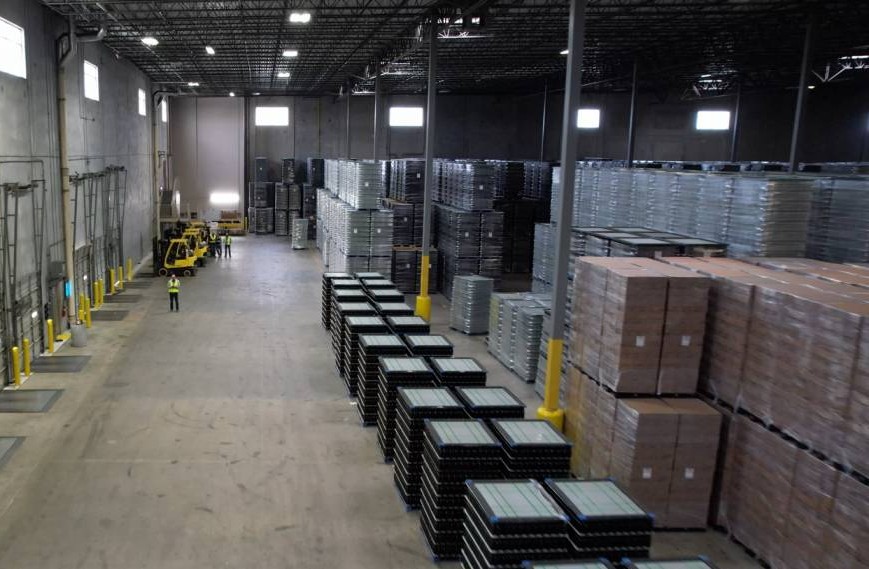
Products face plenty of risks as they move through the supply chain. Freight shifts in transit, pallets collapse, moisture seeps into packaging, and fragile items break before reaching their destination. Even minor damage can lead to costly returns, complaints, and lost revenue which is why businesses rely on dunnage.
Whether you're shipping food, automotive parts, consumer goods, or industrial equipment, dunnage plays a critical role in protecting freight throughout transportation, storage, and distribution.
So what is dunnage? In simple terms, it's the materials used to secure, separate, stabilize, and protect freight during handling, storage, and transportation.
At Buske Logistics, we've spent more than 100 years helping companies optimize warehousing, transportation, packaging, and fulfillment operations across North America. As a trusted logistics partner for brands such as PepsiCo, Diageo, Stellantis, Golden State Foods, Morgan Foods, and Starbucks, we've seen firsthand how proper dunnage solutions can significantly reduce product damage and improve supply chain performance.
In this guide, you'll learn:
Dunnage is any material used to protect, support, stabilize, separate, or secure products during storage and transportation. The primary purpose of dunnage is to prevent cargo from moving, shifting, crushing, or becoming damaged while traveling through the supply chain.
When people ask, "What is dunnage in shipping?", they're referring to protective materials placed around, under, or between products to improve freight stability and reduce the risk of damage. Dunnage can be made from:
Depending on the application, dunnage may be disposable, reusable, recyclable, or custom-designed.
Quick Answer: What Is Dunnage in Shipping?
Dunnage in shipping refers to materials used to secure, cushion, separate, or support cargo during transportation and storage. Dunnage helps prevent freight damage caused by shifting, vibration, compression, moisture, and impact while products move through the supply chain.
Every shipment is exposed to constant movement and handling throughout the supply chain. Even when products are carefully packed, they can still be affected by external forces during transportation, loading, and unloading.
Products may encounter:
Without proper protection, these forces can lead to product damage, packaging failures, freight claims, inventory loss, and customer dissatisfaction, all of which can significantly impact your costs, operations, and client relationships.
Dunnage plays a critical role by creating a protective barrier that helps absorb shock, reduce movement, and keep products stable during transit. It helps ensure that goods remain secure from origin to final destination.
For manufacturers, distributors, retailers, and 3PL providers, dunnage is one of the simplest and most cost-effective ways to improve shipment quality and protect product integrity across the supply chain.
There’s no one-size-fits-all dunnage solution, and the right choice for you will depend on factors like your product type, weight, transportation method, storage requirements, sustainability goals, and budget. With all of these variables in mind, it’s important to select materials that best protect your goods throughout the supply chain.
Let’s look at the most common types of dunnage used in modern logistics.
Wood dunnage is one of the oldest and most widely used forms of cargo protection. Examples include:
Wood dunnage gives you strong, reliable support for heavy freight and is commonly used when shipping flatbed loads, industrial goods, construction materials, and machinery. It helps stabilize and secure bulky or high-weight items throughout transit, reducing movement and improving load safety.
Benefits of Wood Dunnage:
When you use wood dunnage, you benefit from a cost-effective solution that’s both durable and easy to source. It also offers strong load-bearing capacity, making it a dependable option for securing and stabilizing heavy freight during transport.
Drawbacks:
However, wood dunnage can absorb moisture, which may affect its performance in certain conditions, and it can splinter over time, creating handling and safety concerns. It is also heavier than some alternative materials, which may impact overall shipping efficiency.
Hardwood dunnage is specifically designed for heavier loads requiring additional strength. Hardwood provides superior compression resistance and long-term durability.
Industries that commonly use hardwood dunnage include:
Plastic dunnage has become increasingly popular due to its durability and reusability, making it a common choice in automotive and manufacturing supply chains. Common examples include:
Advantages:
When you choose plastic dunnage, you get a lightweight solution that’s easy to handle and transport. It’s reusable, moisture resistant, and simple to clean, making it ideal for controlled environments. It also offers a long lifespan, helping you reduce replacement costs over time.
Foam dunnage offers superior cushioning for fragile and sensitive products, reducing the risk of damage by absorbing shock and vibration during transit. It is commonly used for:
Dunnage paper is commonly used in fulfillment operations to fill empty spaces inside cartons and help keep products secure during transit. It is an effective solution for stabilizing items and preventing movement within packaging.
Benefits include:
Many eCommerce and omnichannel fulfillment operations rely heavily on paper dunnage to improve packaging efficiency and reduce product damage while supporting sustainability goals.
Related reading: Order Fulfillment Process and Strategy
One of the most common freight stabilization tools is the dunnage bag. Dunnage bags are inflatable cushions placed between cargo loads to prevent movement during transportation. They are frequently used in:
Benefits of Dunnage Bags:
When you use dunnage bags, you benefit from fast installation that helps speed up your loading process, along with a lightweight solution that doesn’t add unnecessary freight weight. You also get the option of reusability depending on the type you choose, and excellent load stabilization that helps keep cargo secure and reduce movement during transit.
Air dunnage bags (also called dunnage air bags) use compressed air to fill gaps between cargo. They are particularly effective when transporting palletized freight.
According to the Federal Motor Carrier Safety Administration (FMCSA), proper cargo securement helps reduce accidents, freight damage, and safety risks by preventing cargo from shifting or falling during transit.
Steel dunnage is commonly used in heavy industrial applications where maximum strength, durability, and load capacity are required to protect and secure products. Common uses include:
Bulk dunnage refers to large quantities of protective materials used across high-volume shipping operations. Large manufacturers and distribution centers often purchase bulk dunnage to support:
A dunnage rack is an elevated storage platform that you use to keep products off the floor, helping you maintain cleaner and more organized storage conditions. It improves sanitation by reducing direct contact with the ground, enhances air circulation around stored goods, protects your inventory from potential damage or contamination, and supports better overall warehouse organization.
Dunnage racks are used to elevate and store goods off the floor, helping improve cleanliness, organization, and product protection in storage and handling environments. They are commonly found in operations where sanitation, airflow, and efficient space utilization are important.
Dunnage racks are frequently used in:
When you keep your inventory elevated, you help protect your products from moisture, dirt, contamination, and pest exposure, reducing the risk of damage and maintaining better overall product quality throughout storage.
Aluminum Dunnage Rack: Lightweight and corrosion-resistant, aluminum racks are ideal for food-grade environments. They're easy to clean, rust-free, and long-lasting helping you maintain hygiene with minimal upkeep.
Flatbed transportation presents unique challenges because freight is exposed directly to wind, weather, vibration, and road conditions during transit. As a result, using proper dunnage for flatbed transportation becomes essential to help secure cargo, reduce movement, and protect products throughout the journey.
Common flatbed dunnage materials include:
The value of dunnage extends far beyond freight protection. Here are some of its key business benefits.
One of the biggest benefits of using dunnage is reducing product damage during transportation. By keeping cargo secure and protected throughout transit, you can minimize costly issues and maintain product quality. This leads to fewer returns, lower replacement costs, and a more reliable experience for your customers, helping you strengthen relationships and build trust in your brand.
Proper dunnage helps you improve warehouse efficiency by supporting better storage practices, maximizing available space, and keeping products organized and protected. With a more structured warehouse environment, your team can work more efficiently, reduce handling issues, and maintain smoother day-to-day operations.
Related Reading: Warehouse Management System
Proper dunnage also helps enhance workplace safety by keeping products stable and secure throughout storage and handling. This reduces the risk of falling inventory, forklift accidents, and load shifts, creating a safer environment for your employees while helping prevent costly disruptions and product damage.
Many industries require cargo securement and product protection measures to meet transportation, safety, and handling standards. Dunnage helps support compliance with these requirements by reducing the risk of load movement, product damage, and potential safety issues during transit.
Customers expect products to arrive in perfect condition, and any damage during transit can quickly undermine trust and damage long-term brand loyalty. Consistently well-protected shipments help reinforce reliability and strengthen customer confidence in your business.
Freight claims create avoidable administrative costs, delays, and operational disruptions that can impact overall supply chain efficiency. Proper use of dunnage helps minimize product damage during transit, significantly reducing the frequency of claims and associated expenses.
Reusable plastic dunnage and recyclable paper-based solutions enable companies to reduce packaging waste and improve environmental performance. Many organizations are now integrating reusable dunnage into their broader sustainability and circular economy initiatives.
Dunnage isn't only used during transportation, it also plays an important role throughout your warehousing and fulfillment operations. By helping protect products during storage and handling, dunnage can reduce damage, improve organization, and support more efficient inventory management processes.
Applications include:
Experienced third-party logistics providers use dunnage throughout the supply chain to help protect products, improve handling processes, and reduce the risk of damage during storage, fulfillment, and transportation. When implemented effectively, dunnage supports greater shipment integrity and a more reliable customer experience.
Contract Warehousing
Dunnage helps protect inventory throughout storage operations by reducing product contact, minimizing damage risks, and supporting organized warehouse environments.
Custom Packaging
Customized dunnage solutions can be designed to fit specific products, helping improve shipment protection and reduce movement during transit.
Kitting and Assembly
Dunnage is often incorporated into kitting and assembly processes to protect products throughout packaging, handling, and fulfillment activities.
B2B Distribution
Dunnage helps maintain product integrity across distribution networks by reducing the risk of damage during loading, transportation, and delivery.
Choosing the right dunnage solution can help you reduce product damage, improve shipment quality, and control overall logistics costs. When evaluating your options, consider the following factors:
Product Characteristics
Start by assessing the specific needs of the products you're shipping or storing. Different products require different levels of protection and support. Ask:
The mode of transportation can significantly impact the type of dunnage you need. Each shipping method exposes products to different handling conditions and risk factors.
Requirements differ for:
Your storage environment can influence which dunnage materials will perform best. Factors such as humidity, temperature fluctuations, and storage duration should be considered when selecting a solution.
If sustainability is a priority for your business, reusable or recyclable dunnage materials may help reduce waste while supporting your environmental objectives. In many cases, these solutions can also lower long-term packaging costs.
The least expensive dunnage option is not always the most effective. When evaluating solutions, focus on the total cost of protecting your products, including potential savings from reduced damage, fewer claims, and improved operational efficiency.
Ultimately, the right dunnage solution is the one that helps you minimize total supply chain costs while ensuring your products arrive safely and in excellent condition.
Protecting products throughout the supply chain requires more than transportation. It requires expertise.
With over 100 years of logistics experience, Buske Logistics helps businesses implement effective packaging, warehousing, transportation, and distribution strategies that reduce damage and improve operational performance.
Our solutions include:
Trusted by leading brands including PepsiCo, Diageo, Stellantis, Golden State Foods, Morgan Foods, and Starbucks, Buske Logistics helps companies build more efficient and resilient supply chains.
What is dunnage in shipping?
Dunnage in shipping refers to the materials used to secure, separate, cushion, and protect cargo during transportation, storage, and handling. Common types of dunnage include foam inserts, air pillows, cardboard spacers, wood blocks, plastic trays, and inflatable dunnage bags. The primary purpose of dunnage is to prevent cargo movement, absorb shock, reduce damage risk, and ensure products arrive safely at their destination. Effective dunnage plays a critical role in freight protection and supply chain efficiency.
A dunnage rack is an elevated storage platform designed to keep products, pallets, and inventory off the floor. These racks improve warehouse sanitation, promote airflow, reduce exposure to moisture, and help protect products from contamination or damage. Dunnage racks are commonly used in food and beverage warehouses, healthcare facilities, manufacturing plants, and distribution centers where cleanliness and inventory protection are important operational requirements.
Dunnage bags are inflatable air cushions placed between cargo loads inside trucks, railcars, shipping containers, and freight trailers. They fill empty spaces between shipments to prevent cargo from shifting during transit. By stabilizing loads and reducing movement caused by acceleration, braking, or vibration, dunnage bags help minimize product damage, improve transportation safety, and reduce costly freight claims.
While packaging is designed to contain, market, and protect a product for sale and distribution, dunnage serves a different purpose by protecting products during storage, handling, and transportation. Packaging includes items such as boxes, bottles, cartons, and retail containers, whereas dunnage includes protective materials used to prevent movement, absorb impact, and secure cargo within larger shipping units. Together, packaging and dunnage help ensure products arrive safely and in excellent condition.
Dunnage is widely used across industries that require safe transportation and storage of products. Key sectors include automotive, food and beverage, manufacturing, retail, healthcare, aerospace, consumer packaged goods (CPG), electronics, and industrial distribution. Businesses in these industries rely on dunnage solutions to protect inventory, reduce product damage, improve warehouse safety, and maintain supply chain efficiency.
The best choice depends on the specific application and logistics requirements. Plastic dunnage is lightweight, reusable, moisture-resistant, and easy to clean, making it ideal for industries with strict sanitation standards or returnable packaging programs. Wood dunnage, on the other hand, typically provides greater load-bearing strength and durability for heavy freight, machinery, and industrial cargo. Many businesses evaluate factors such as weight, cost, reusability, compliance requirements, and cargo type when selecting between plastic and wood dunnage solutions.
Dunnage is essential in logistics because it helps prevent cargo damage, reduce freight claims, improve workplace safety, and maintain product quality throughout the supply chain. Proper dunnage minimizes load shifting, absorbs impact during transportation, and protects inventory from environmental hazards. By improving cargo stability and reducing the likelihood of damaged shipments, dunnage helps businesses lower costs, meet compliance requirements, enhance customer satisfaction, and optimize overall logistics performance.
Understanding what dunnage is and how it supports your supply chain can make a significant difference in shipment quality, warehouse efficiency, and customer experience. From dunnage bags and foam inserts to aluminum dunnage racks and hardwood supports, the right solution helps ensure products arrive safely and efficiently.
If you're looking for a logistics partner with over 100 years of experience helping businesses optimize transportation, warehousing, packaging, and fulfillment operations, Buske Logistics is ready to help.
Contact us todayto discuss your warehousing, packaging, and distribution needs.

Buske Logistics is a Top 20 Private Warehousing 3PL. Let's build a solution for your supply chain.